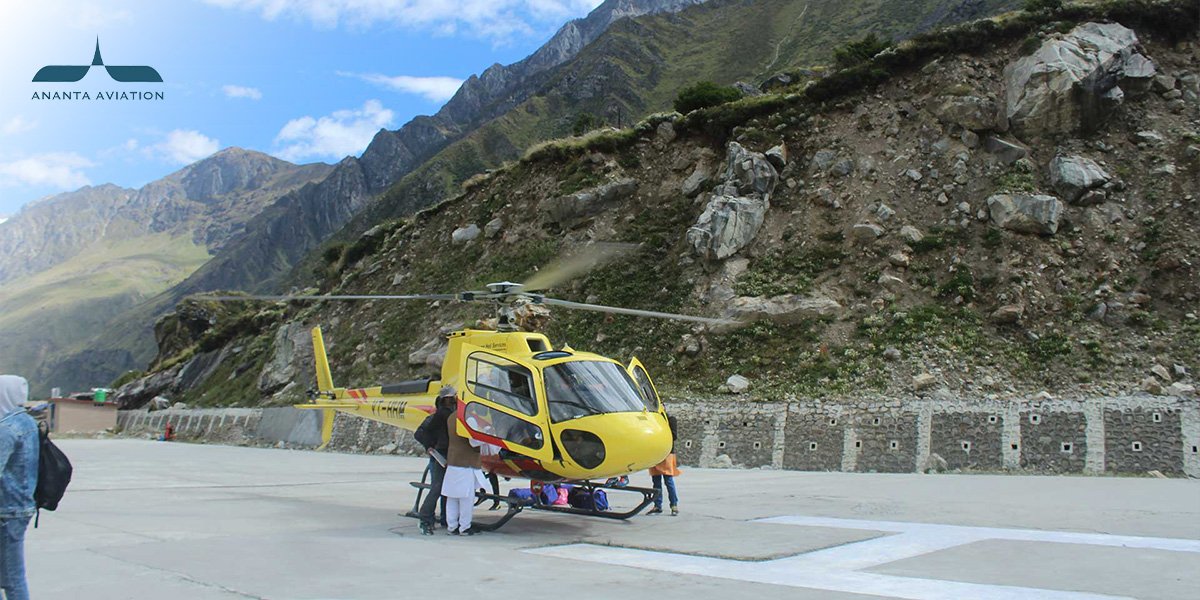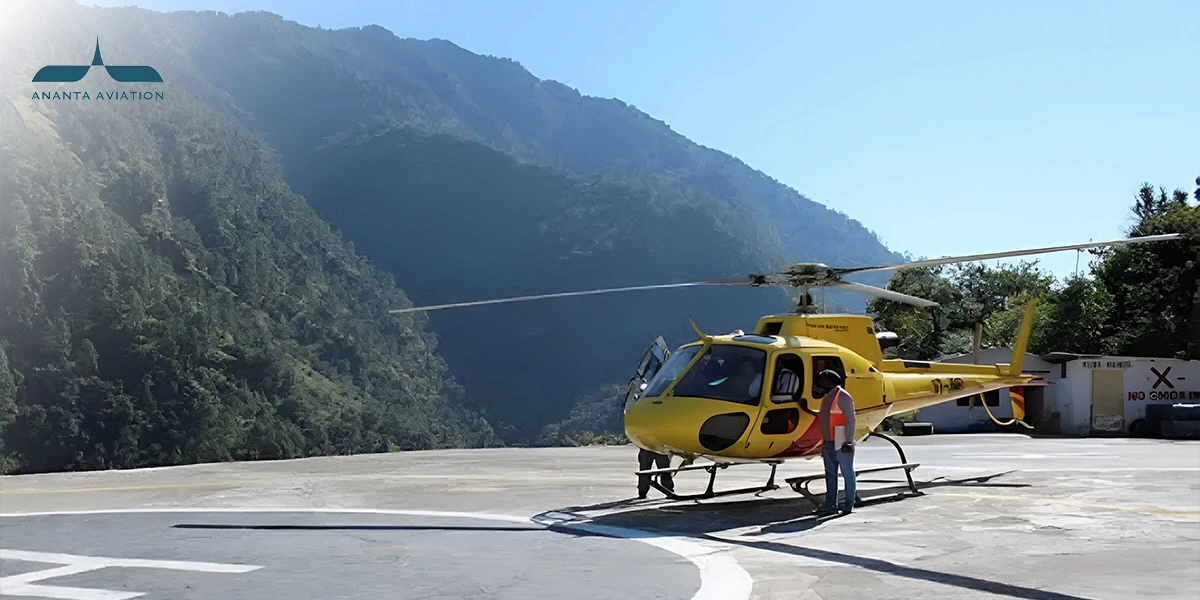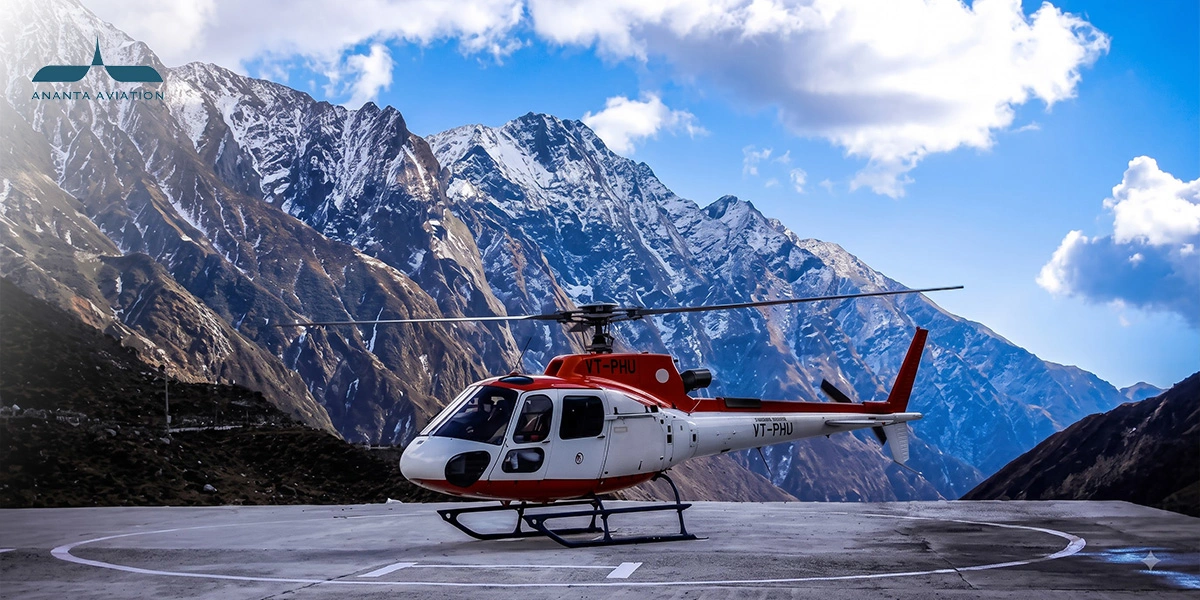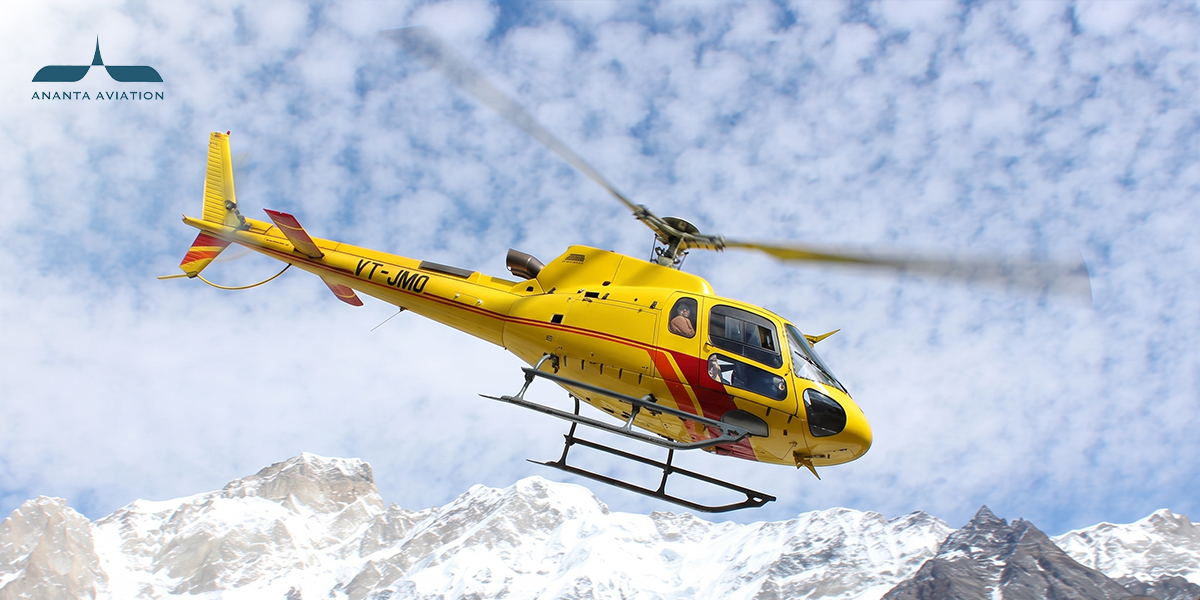
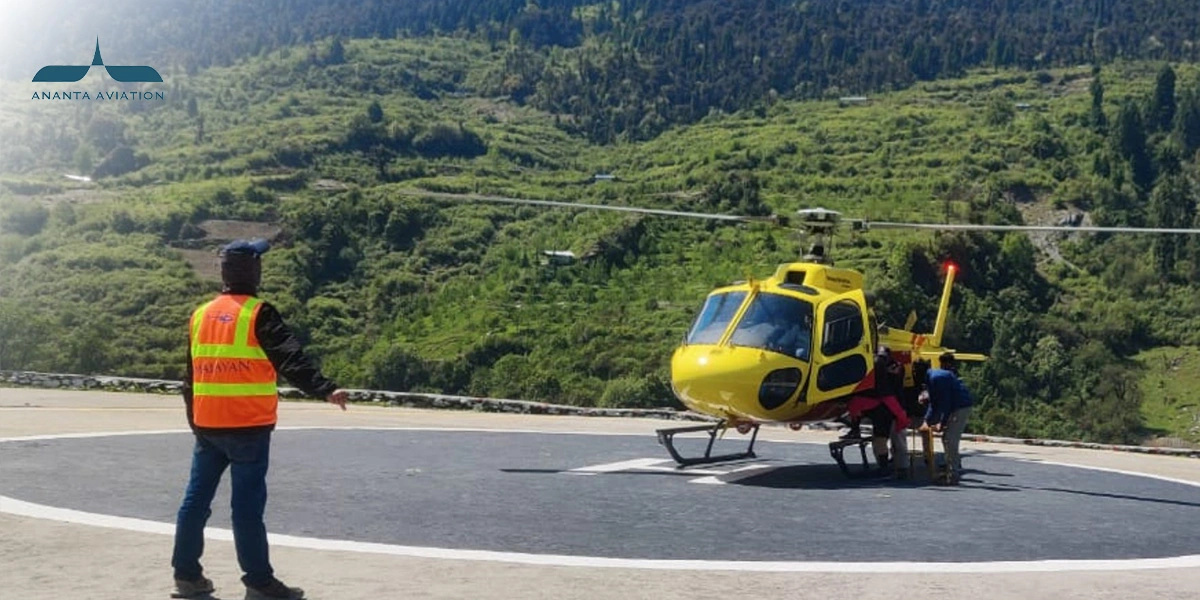
Altitude Awareness and Health Preparation for Do Dham Yatra by Helicopter
The Himalayas offer a peaceful and spiritual home for many people. Every year, thousands of pilgrims visit the holy shrines of Kedarnath and Badrinath. These places are very high in the mountains. The air is thin, and the weather can change fast. While the views are beautiful, the height can be hard on the body. You must prepare your health before you start this holy trip. Being ready will help you enjoy the prayers and the scenery without falling sick.
Why Altitude Awareness is Important
Traveling to the mountains is different from traveling on the plains. A Do Dham Yatra by helicopter takes you to high altitudes very quickly. On the ground, your body has time to adjust to the air. In a helicopter, you go from lowland to highland in just a few minutes. This rapid change can surprise your heart and lungs. You must know how your body reacts to less oxygen.
Good planning makes the trip safer for everyone. Fly with Ananta wants every pilgrim to have a smooth and healthy experience. Most people ask how high these temples really are. Kedarnath sits at about 11,755 feet above sea level. Badrinath is at about 10,279 feet. At these heights, the air has much less oxygen than what we breathe at home. Your body needs to work much harder to get the oxygen it needs to stay strong.
Understanding Acute Mountain Sickness
Altitude sickness is a common worry for mountain travelers. It happens when you do not get enough oxygen from the thin air. The medical term for this is Acute Mountain Sickness or AMS. It can affect anyone regardless of age or fitness level. Knowing the signs early can save your life. Many people wonder if they will feel the effects of the height right away. Usually, symptoms appear within six to twelve hours after reaching a high point.
- Oxygen levels: At 3,500 meters, the air has about 40 percent less oxygen than at sea level. This makes your heart work much harder to pump blood to your brain.
- The risk: According to the Centers for Disease Control and Prevention, AMS affects about 25 percent of people who travel above 2,800 meters without proper rest.
- Early signs: You might feel a dull headache or a bit of nausea. Some people feel very tired or lose their appetite when they first arrive at the high shrines.
Physical Preparation Before You Fly
You should start preparing your body at least one month before your trip. Walking is the best exercise for this journey. Try to walk for thirty minutes every day on a flat path. If you can walk up a small hill, it is even better for your lungs. A Do Dham Yatra by helicopter is comfortable, but you still need to walk at the temple sites. Being fit helps your body use oxygen more efficiently.
It is also vital to talk to your family doctor. Tell them you are going to a very high place. They can check your blood pressure and heart health. Some people need special medicine to help them breathe better at high altitudes. This is very important for senior citizens or people with asthma. Taking care of these details early ensures that your spiritual focus remains on the gods and not on physical pain.
The Role of Hydration and Diet
Water is your best friend in the mountains. The air at high altitudes is very dry. You lose water from your body just by breathing. Staying hydrated helps your blood flow better and carries oxygen to your cells. You should avoid drinks that take water out of your body. This includes coffee and tea. Drinking plenty of plain water or herbal tea is a much better choice for your health.
Eating the right food also helps you stay energetic. Do Dham by helicopter requires you to stay light and active. Avoid heavy or oily foods during the journey. These foods are hard to digest when oxygen is low. Instead, eat small meals that are high in carbohydrates. Foods like rice or bread give you quick energy. Proper nutrition keeps your immune system strong against the cold mountain winds.
Choosing the Right Travel Partner
Safety should always come first when booking your trip. A reliable company will provide medical support during the flight. They will also give you clear instructions on what to carry. A high-quality Do Dham Yatra package by helicopter often includes oxygen cylinders for emergencies. You should look for a service that understands the unique challenges of the Himalayan terrain and prioritizes passenger health over speed.
- Safety kits: Good operators carry first aid kits and portable oxygen. These tools are essential if a passenger feels breathless during the flight or at the temple.
- Expert staff: Pilots and ground crew are trained to spot signs of altitude sickness. They can help you decide if you need to rest or move lower.
- Pilot advice: “Preparation is the key to a safe pilgrimage. High altitudes demand respect and proper health checks before flying,” says Captain Rajesh Sharma, a mountain pilot.
Medical Checkups and Documents
You should carry all your medical records with you. If you take daily medicine, bring enough for the whole trip. Keep your medicine in your handbag so you can reach it easily. Fly with Ananta suggests getting a physical fitness certificate from a registered doctor. This document shows that you are fit to travel to high altitudes. It also helps the crew understand your health needs better.
- Health history: Note down any allergies or past heart issues. This information is very helpful for medical teams in the mountains if you ever feel unwell or weak.
- Regular checks: Monitor your blood oxygen levels if possible. Small pulse oximeters are easy to carry and give you a quick reading of how your body is doing.
- Emergency contacts: Keep a list of emergency numbers in your pocket. This should include your doctor and a family member who knows your full medical history and needs.
Managing Symptoms on the Ground
If you start to feel sick, do not ignore it. Most people feel better after a short rest and some water. However, if the headache gets worse, you must tell someone. A Do Dham Yatra by helicopter moves fast, so you must listen to your body at every stop. Do not push yourself to walk fast. Take slow steps and breathe deeply. This gives your lungs a chance to catch the thin air.
- Descent: The best cure for altitude sickness is going to a lower height. If symptoms are severe, the ground team will arrange for you to move down quickly.
- Resting: Do not plan big activities for the first few hours. Sit down and enjoy the view while your heart rate settles into the new environment safely.
- Communication: Always stay with your group or the staff. If you feel dizzy or confused, tell your guide immediately so they can provide the right medical help.
Packing Essentials for Health and Comfort
The weather in the mountains can be very cold even in the summer. Cold weather can make breathing harder for some people. You should pack warm layers of clothing. Thermal wear is great because it is light and keeps you very warm. Fly with Ananta reminds you to carry a good pair of sunglasses. The sun is very bright at high altitudes and can hurt your eyes or cause headaches.
- Warm layers: Use woolen socks and gloves to keep your hands and feet warm. This prevents your body from losing heat and saves energy for your vital organs.
- Sun protection: Use a strong sunblock cream on your face and hands. The thin atmosphere does not block UV rays as well as the air at sea level.
- Footwear: Wear shoes with a good grip. The paths near the temples can be slippery or uneven, which requires steady balance and strong leg support to navigate.
Final Thoughts for a Blessed Journey
Your health is the most important part of your pilgrimage. A successful trip is one where you feel good and can pray with a peaceful mind. Preparation starts long before you board the aircraft. By following these simple steps, you can reduce the risks of high altitude travel. A Do Dham Yatra by helicopter is a beautiful way to see the holy land. Stay hydrated, stay fit, and listen to the experts to ensure a safe return home.
FAQs
1. Is a medical checkup mandatory before booking a Do Dham Yatra by helicopter?
While not always legally required by every operator, it is highly recommended. High-altitude locations like Kedarnath can be tough on the heart and lungs. A doctor can confirm if your blood pressure and respiratory system are strong enough for the rapid ascent involved in a Do Dham Yatra by helicopter.
2. How can I prevent altitude sickness during the flight?
The best way to stay healthy is to hydrate well and avoid alcohol or caffeine. You should also talk to your doctor about preventive medicines for altitude. Fly with Ananta advises passengers to move slowly once they land to help their bodies adjust to the thin mountain air.
3. Are oxygen cylinders available during the trip?
Yes, reputable service providers keep portable oxygen on board for emergencies. Having access to medical-grade oxygen is a key feature of a professional Do Dham Yatra package by helicopter. This ensures that any passenger feeling breathless can get immediate relief while visiting the high-altitude shrines.
4. What is the best time of year for a healthy journey?
The months of May, June, September, and October offer the most stable weather. Extreme cold can make breathing more difficult for seniors. By choosing these months through Fly with Ananta, you ensure milder temperatures that are much easier on your physical health and overall comfort.
5. Can children and senior citizens travel safely to these heights?
Yes, people of all ages can travel if they are in good health. Seniors should be extra careful and monitor their oxygen levels. Since a Do Dham by helicopter reduces the need for long treks, it is often the safest and most comfortable option for older pilgrims and young children.
Blog