Chota Char Dham vs the Original Char Dham: What You’re Actually Booking
Many devotees plan a holy journey each year without knowing there are two different Char Dham circuits in India. Booking the wrong trip leads to confusion, missed expectations, and wrong travel arrangements. Understanding the exact difference helps you plan your spiritual journey with complete clarity and peace of mind.
What is the Original Char Dham?
The original Char Dham is a grand pilgrimage circuit across the four corners of India. The great philosopher Adi Shankaracharya defined this circuit in the eighth century to unite different spiritual traditions across India.
- Badrinath in the North: Located in Uttarakhand, this temple is dedicated to Lord Vishnu and sits in the high Garhwal Himalayan mountain range.
- Dwarka in the West: Situated on the coastal edge of Gujarat, this holy city honors Lord Krishna as the ruler of the ancient kingdom.
- Puri in the East: Located in Odisha, this famous shrine celebrates Lord Jagannath along with his siblings Balabhadra and Subhadra during grand festivals.
- Rameswaram in the South: Situated on an island in Tamil Nadu, this holy site honors Lord Shiva and connects to the epic Ramayana history.
What is Chota Char Dham?
Did you know these two spiritual circuits cover entirely different geographical areas across India? The Chota Char Dham is located completely inside the mountain state of Uttarakhand in northern India.
- Yamunotri Shrine: This high temple marks the origin of the holy Yamuna River and sits at an altitude of over three thousand meters.
- Gangotri Shrine: Located near the origin of the sacred Ganga River, this serene temple offers striking Himalayan views and quiet mountain peace.
- Kedarnath Temple: Sitting near the Mandakini River, this revered Lord Shiva shrine is one of the twelve sacred Jyotirlinga sites in India.
- Badrinath Temple: This sacred site is dedicated to Lord Vishnu and is the only shrine that belongs to both Char Dham circuits.
If you want a comfortable mountain journey, Fly with Ananta provides reliable travel planning and expert guidance for Himalayan pilgrims.
Why Do People Confuse the Two Circuits?
The term Chota Char Dham was created in the twentieth century as roads improved in Garhwal. People used the name to describe the four Himalayan temples together. Badrinath belongs to both circuits, which adds to the common mix-up.
Travel agents often shorten the name to Char Dham when selling local Uttarakhand packages. Buyers think they are booking the four corners of India. Instead, they are booking the four Himalayan temples in Uttarakhand.
Geography, Altitude, and Travel Demands
Why do so many pilgrims now choose aerial travel for the Himalayan circuit? The answer lies in the high altitude and difficult mountain terrain. The four Himalayan shrines sit between ten thousand and eleven thousand feet above sea level.
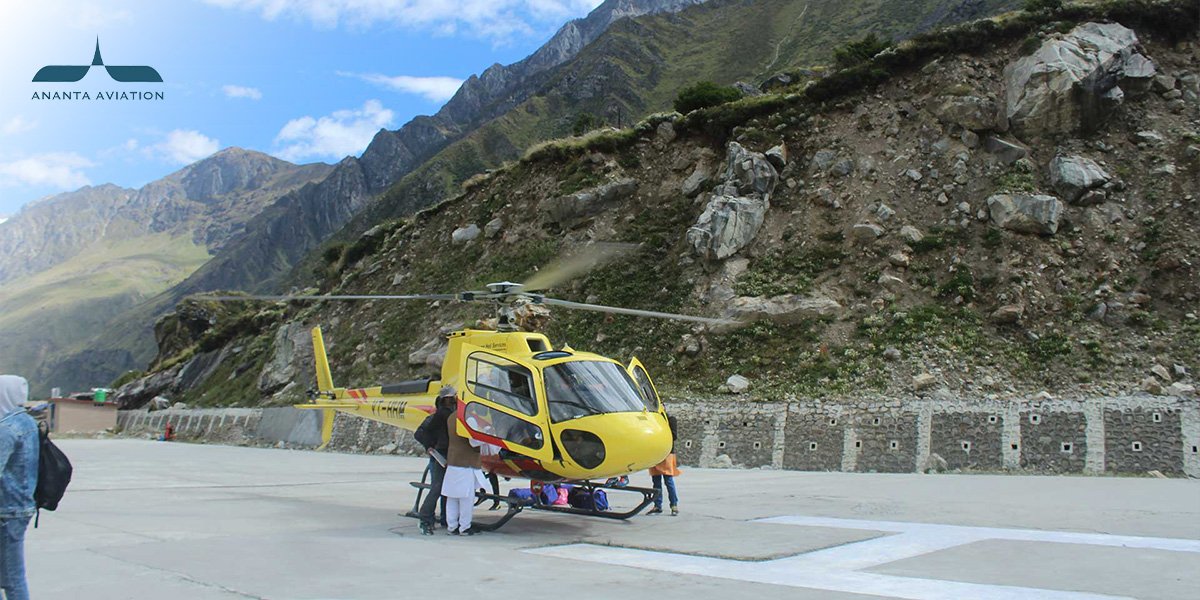
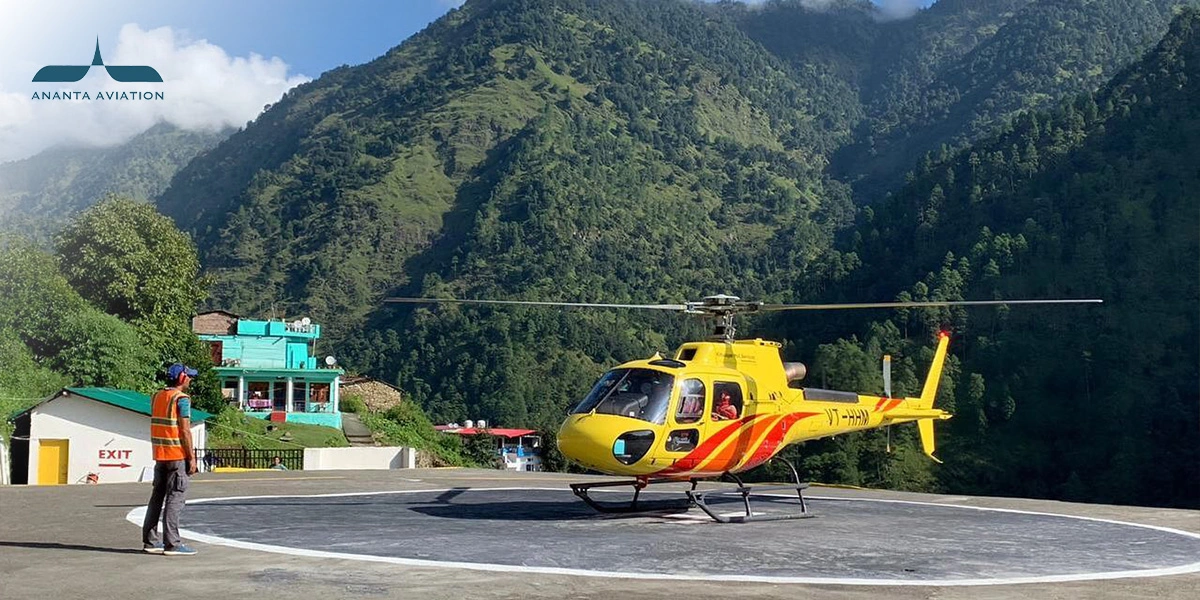
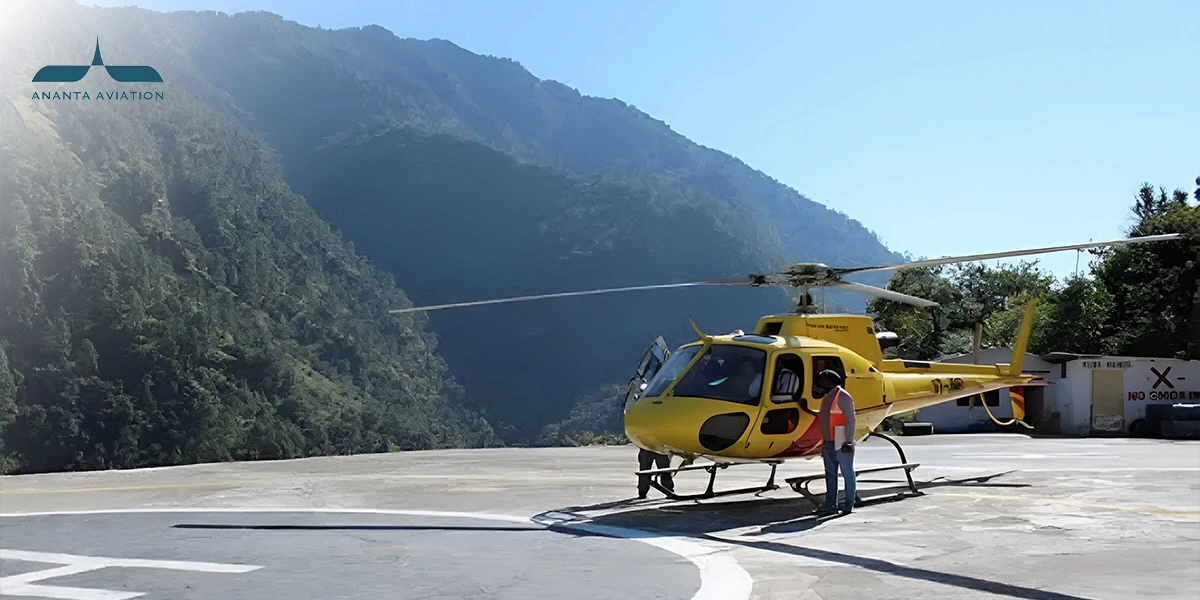
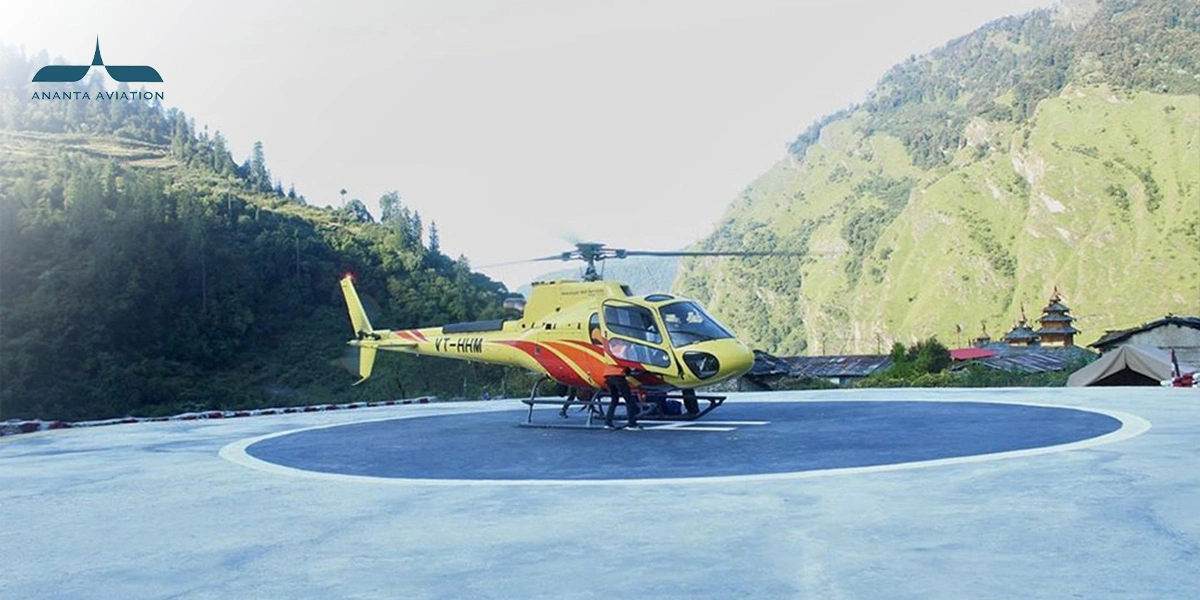
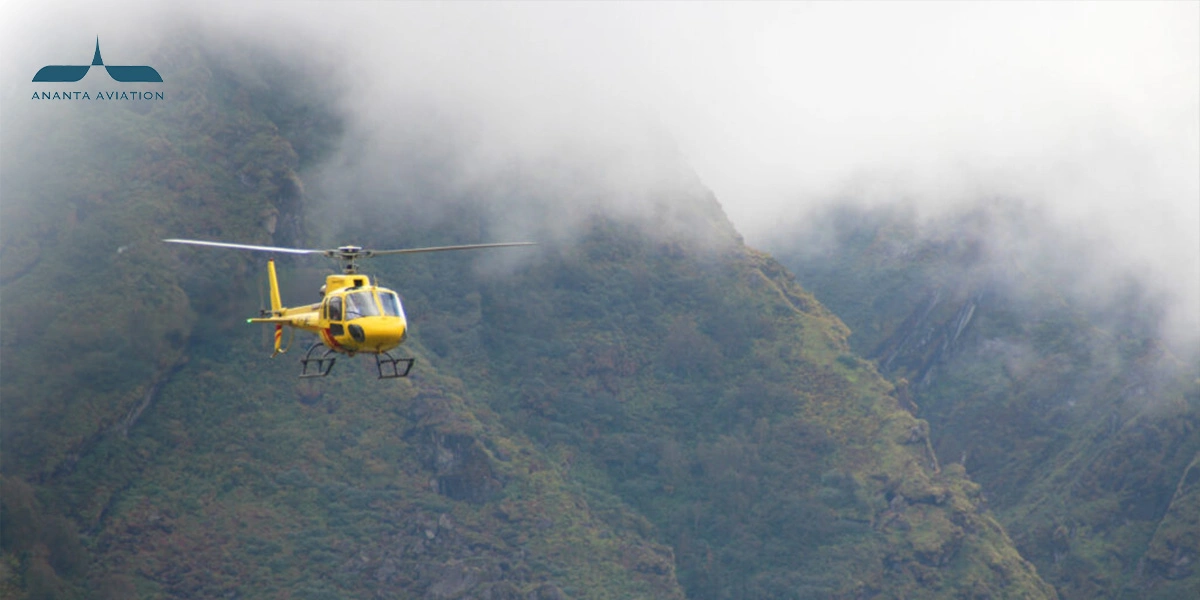
Walking long mountain distances requires strong physical fitness and extra travel time. Steep paths and low oxygen levels make walking difficult for elderly family members. A Char Dham helicopter package saves vital travel days and reduces physical fatigue. Booking a Chardham Yatra by helicopter ensures direct access and maximum safety for senior citizens.
Key Differences At A Glance
- Geographic Spread: The original circuit spans thousands of kilometers across four states, while the smaller circuit stays within the Garhwal region of Uttarakhand.
- Travel Duration: Completing the national circuit takes several weeks by train or road, whereas the Himalayan route takes only five to ten days.
- Seasonal Access: National shrines stay open almost all year, but mountain temples close during harsh winter months from November to April every year.
- Travel Options: You can complete the Himalayan trip fast using Char Dham by helicopter, while national circuit trips rely mainly on commercial flights and trains.
Choosing Fly with Ananta helps you pick the right route and schedule based on your travel needs.
Lesser-Known Facts About Char Dham Yatra
- Ancient Legal Texts: The four Garhwal shrines were first documented together in print in 1917 inside the legal text titled The Narendra Hindu Law.
- Winter Deities Relocation: During heavy winter snowfall, temple priests move the idols to lower village shrines like Joshimath and Ukhimath for regular daily prayers.
- Thermal Cooking Springs: At Yamunotri, pilgrims cook rice and potatoes in natural boiling hot water springs called Surya Kund as sacred divine offerings.
- Sacred Fire Traditions: The eternal flame inside the Badrinath temple stays lit throughout six winter months while the main temple remains closed to visitors.
Official Pilgrimage Statistics and Industry Insights
According to official data from the Ministry of Civil Aviation, over sixty-seven thousand pilgrims used helicopter shuttle services in a single phase of the season. More than eleven thousand pilgrims selected luxury charter flights during the same travel period.
Official statistics from the Uttarakhand Tourism Development Board show annual visitor numbers crossing forty-five lakh pilgrims across the four shrines. High demand makes early booking essential for every traveler.
Speaking about safety and operational standards in the high mountains, Prateek Jain, CEO of the Uttarakhand Civil Aviation Development Authority, stated: “Given rain and poor visibility in Kedarghati, extending operations posed safety risks. We restart post-monsoon to ensure high safety standards.”
How to Book the Right Experience
How can you pick the right travel plan for your family? First, confirm whether you want to visit all four corners of India or the four Uttarakhand temples. Second, check your travel schedule and physical fitness level before choosing ground transport.
If you prefer comfort and time savings, choose Chardham Yatra by helicopter for a smooth trip. Reliable booking partners manage all digital registrations and flight slots for you. Plan your Chardham Yatra by helicopter early to secure confirmed flight dates during peak season. Trust Fly with Ananta to make your sacred journey comfortable and truly memorable.
FAQs
1. What is the main difference between Char Dham and Chota Char Dham?
The original Char Dham covers four distinct corners of India: Badrinath, Dwarka, Puri, and Rameswaram. Chota Char Dham refers only to the four Himalayan temples located in Uttarakhand: Yamunotri, Gangotri, Kedarnath, and Badrinath.
2. Is Badrinath part of both Char Dham circuits?
Yes. Badrinath Temple in Uttarakhand is the only holy shrine that belongs to both the original national Char Dham circuit and the regional Chota Char Dham circuit.
3. Which months are best for visiting Chota Char Dham?
The ideal months to visit are May, June, September, and October. The temples remain closed during winter from November to April, while the monsoon months of July and August carry landslide risks.
4. Can elderly pilgrims complete the Himalayan Yatra easily?
Yes. Elderly pilgrims can avoid strenuous trekking by booking helicopter services. Flying reduces travel time from weeks to just a few days and eliminates physical exertion at high altitudes.
5. Why is digital registration mandatory for Uttarakhand Char Dham?
The Uttarakhand state government requires mandatory digital registration to monitor daily crowd limits, track pilgrim safety along mountain routes, and provide fast emergency response during weather disruptions.
Blog