Kedarnath Today: What the Rebuilt Temple Complex Looks Like Since the 2013 Floods
Kedarnath is one of the most sacred pilgrimage sites in the Indian Himalayas. In June 2013, sudden cloudbursts and flash floods caused severe destruction across the Mandakini valley. Thousands of homes and roads were washed away within hours. Many people wondered if the ancient holy site could ever recover from such vast damage. What actually saved the main temple during the massive 2013 flash floods, and how does the shrine look today? Over the past decade, massive government redevelopment projects have completely transformed Kedarnath. Today, the temple complex stands stronger, safer, and far more organized for millions of visiting devotees.
The Remarkable Reconstruction Journey of Kedarnath
The reconstruction of Kedarnath was a massive engineering effort. The Uttarakhand government partnered with the Nehru Institute of Mountaineering to clear thousands of tons of debris. How did engineers build strong protection systems against future Himalayan floods? They created a comprehensive master plan focused on eco-friendly methods and river safety. The entire layout around the shrine was rebuilt from the ground up.
- A huge rock named Bhim Shila landed right behind the temple during the 2013 deluge. It blocked heavy debris and guided floodwaters safely around the main stone structure.
- Civil engineers built giant multi-tier protective walls along the Mandakini and Saraswati rivers. These concrete walls now stop river erosion and shield the entire temple town from sudden flooding.
- Workers cleared heavy debris to create a fifty-meter-wide central pedestrian pathway. This spacious stone-paved plaza allows thousands of pilgrims to queue up comfortably without any chaotic overcrowding.
- Reconstruction teams placed all electrical and water lines inside underground channels. This clean design protects essential utility cables from severe snowstorms and heavy rainfall during winter months.
New Pilgrim Amenities and Infrastructure Upgrades
Visiting the Himalayan shrine is now much easier and safer than before. The new master plan prioritizes comfort, sanitation, and rapid medical assistance for senior citizens and families. Pilgrims no longer face narrow, unsafe paths or unorganized temporary camps. Modern facilities now surround the entire temple plaza. Partnering with Fly with Ananta simplifies travel planning for families who want a smooth pilgrimage experience.
- The famous eighth-century seer shrine was rebuilt with a stunning twelve-foot stone statue. Devotees now visit this underground memorial space situated right behind the main temple compound.
- New disaster management centers and medical halls offer immediate shelter. Trained rescue teams stay stationed on-site throughout the yatra season to handle unexpected mountain weather events.
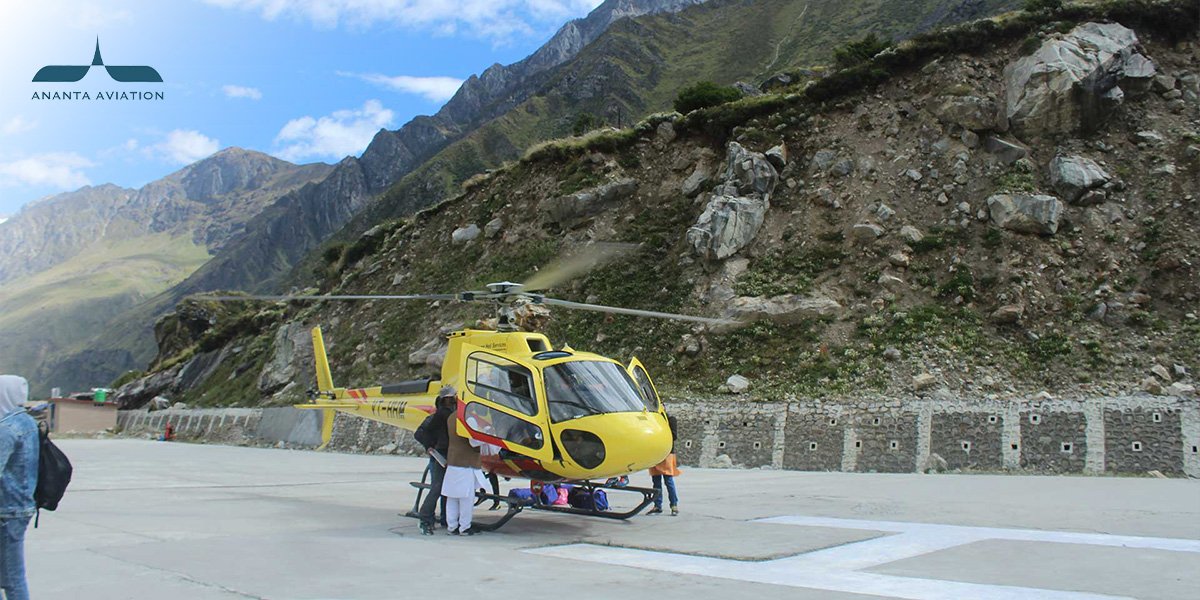
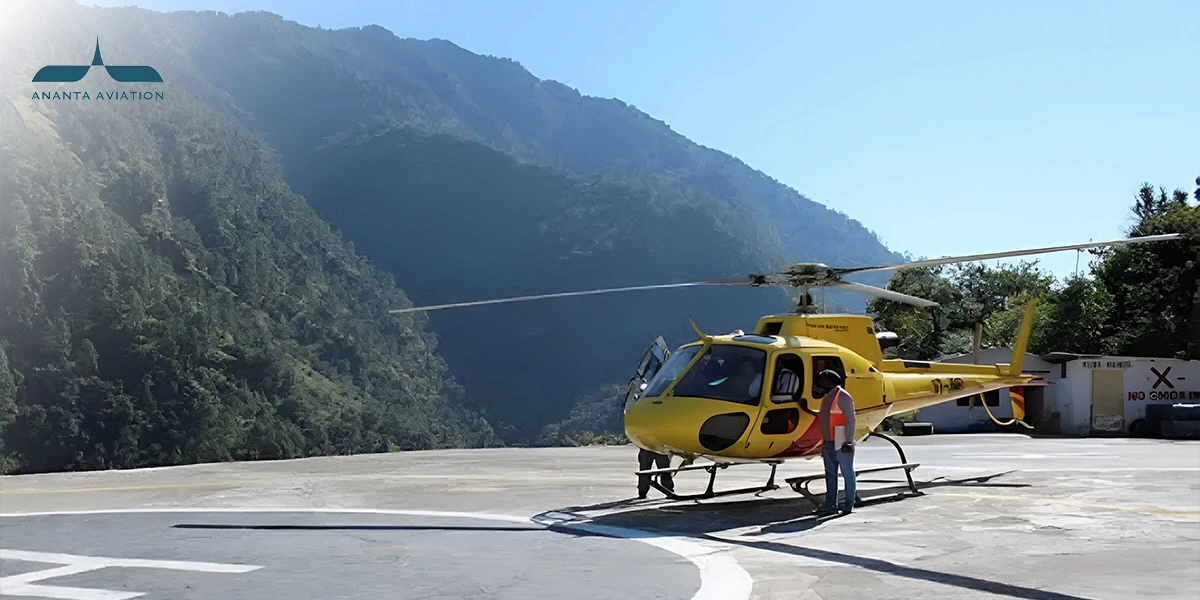
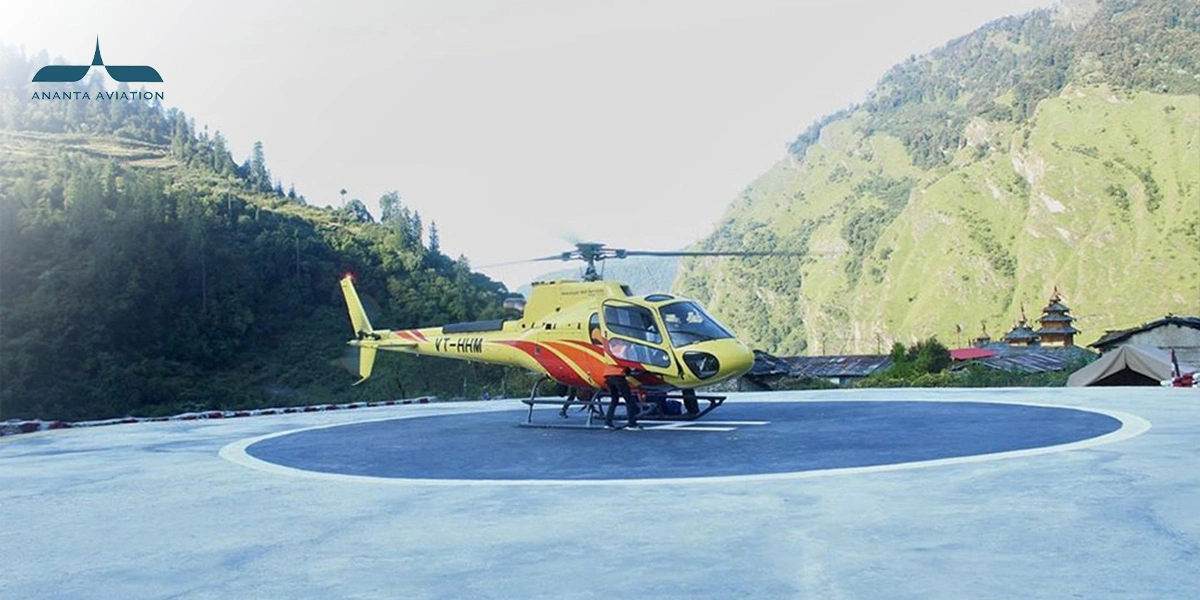
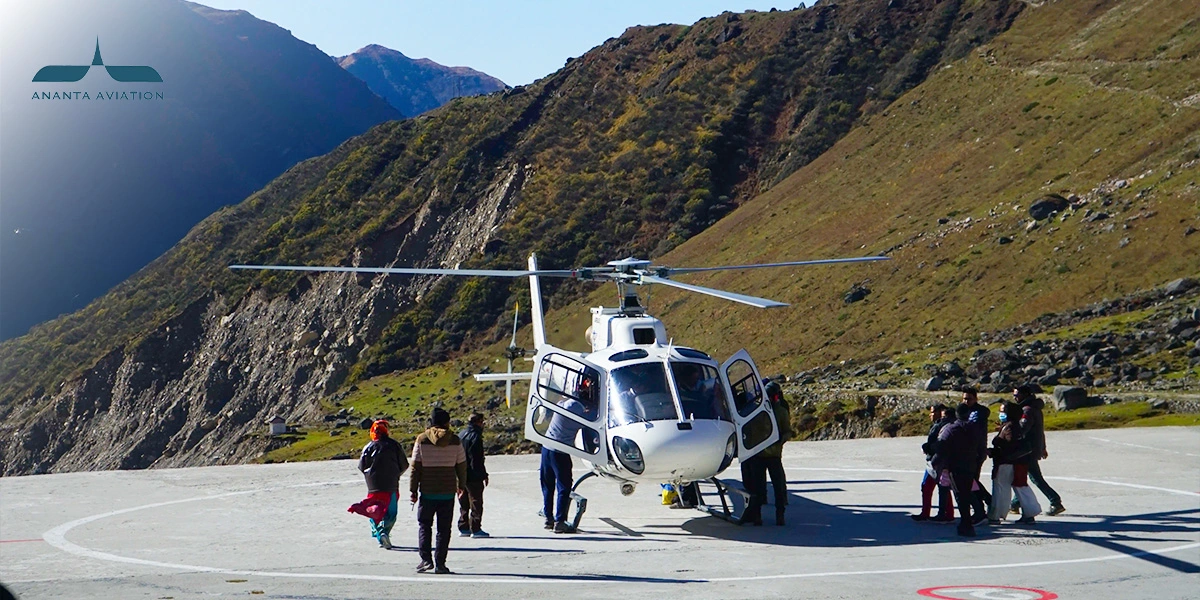
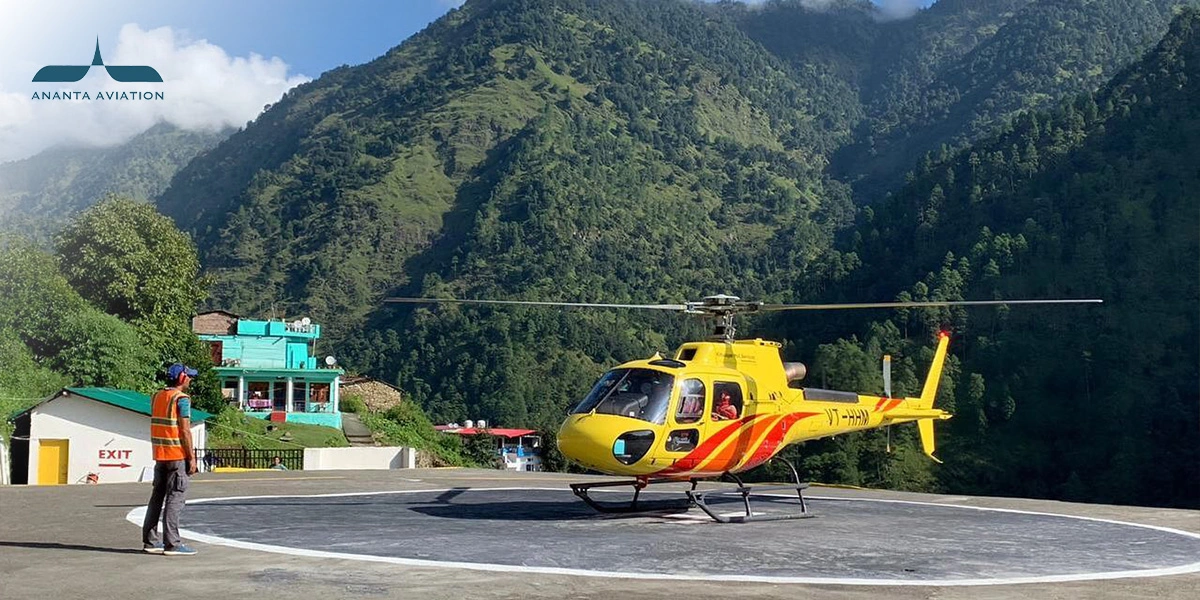
- Modern helipads at Kedarnath accommodate multiple flights safely every single hour. Travel agencies like Fly with Ananta help pilgrims secure reliable 4 Dham helicopter booking services with ease.
Pilgrim Statistics and Safety Developments
Safety remains the topmost priority for authorities managing the yatra. The Ministry of Civil Aviation and state agencies strictly monitor air and land travel. Union Minister for Civil Aviation Ram Mohan Naidu stated, “Under the visionary leadership of Prime Minister Narendra Modi, our government has accorded special priority to ensuring that every devotee undertaking the Char Dham Yatra is able to travel with safety and peace of mind… Safety in aviation is our utmost priority, and there can never be any compromise on it.” Choosing a reliable aviation service allows pilgrims to travel with peace of mind. Those seeking premium luxury and privacy can opt for a private charter for Chardham Yatra.
- According to the Shri Badrinath-Kedarnath Temple Committee, Kedarnath received over 1.65 million pilgrims in 2024. This shows strong public confidence in the newly built mountain infrastructure.
- Aviation authorities require all Himalayan pilots to have at least 750 hours of mountain flying experience. This ensures maximum safety for seniors opting for a Char Dham helicopter package.
- Wealthy families and elder groups often select air charters for faster travel. These tailored flights provide direct air travel and skip long, exhausting mountain trekking routes.
Lesser-Known Facts About the Kedarnath Rebuild
Many travelers wonder how this high-altitude transformation happened in such harsh weather. Why do so many devotees prefer air travel over the long traditional trek today? The answers lie in smart engineering and modern travel solutions. The new infrastructure blends ancient heritage with advanced mountain civil engineering.
- Engineers transported heavy stone blocks without using destructive explosives in fragile zones. Local Nepalese artisans and specialized mountaineering teams assembled the complex with sustainable building practices.
- Digital registration caps daily visitor entries to prevent dangerous overcrowding. Pilgrims can use a quick 4 Dham helicopter booking to align their journey with approved time slots.
- The ancient stone temple base remained completely unharmed during the 2013 flood. Experts credit ancient architectural wisdom and heavy interlocked granite blocks for this incredible structural survival.
Planning Your Modern Pilgrimage to Kedarnath
The transformation of Kedarnath proves how modern planning can restore sacred spaces safely. Today, pilgrims can experience spiritual peace without risking their safety in fragile terrain. Whether you prefer walking the updated paved trek or flying directly to the temple, proper planning is essential. Securing your 4 Dham helicopter booking early ensures a smooth journey. Trust Fly with Ananta to handle your travel logistics while you focus on your sacred pilgrimage.
FAQs
1. How far is the helipad from the main Kedarnath temple?
The modern helipad at Kedarnath sits about five hundred meters away from the main entrance of the temple complex. Pilgrims can easily walk this short stone path in ten minutes or choose to hire local pony services or palanquins if they require physical assistance during their high-altitude spiritual trip.
2. What is Bhim Shila and why is it famous today?
Bhim Shila is a massive granite boulder that rolled down the mountain during the catastrophic flash floods of June 2013. It stopped right behind the ancient temple shrine and effectively diverted raging floodwaters and heavy mountain debris away from the main sacred structure, leaving it completely unharmed for future generations.
3. What emergency medical facilities are available at Kedarnath today?
The rebuilt Kedarnath temple complex features multiple modern emergency relief centers fully staffed by qualified medical teams. These mountain health posts provide continuous oxygen supply, critical altitude sickness treatment, basic emergency medication, and rapid helicopter evacuation services for pilgrims experiencing sudden severe health complications during their high-altitude holy Yatra.
4. When is the best time to visit the rebuilt Kedarnath temple?
The sacred Kedarnath temple opens its doors to devotees in early May and closes in mid-November. The ideal months for a comfortable pilgrimage are May, June, September, and October. During these sunny months, mountain weather conditions remain relatively stable, ensuring smooth walking treks and reliable helicopter flight operations overall.
5. What accommodation options are available near the temple complex?
The local shrine board and state tourism departments operate modern guest houses, cozy tent colonies, and well-equipped dormitories near the temple plaza. These newly built facilities offer visiting pilgrims warm bedding, running hot water, clean dining halls, and reliable heating arrangements to protect against freezing high-altitude mountain night temperatures.
Blog