Winter Darshan at the Winter Seats: Visiting Ukhimath, Joshimath, Mukhba and Kharsali
The high shrines of Uttarakhand have closed for the year. Gangotri shut on 10 November, and Kedarnath and Yamunotri closed on 11 November 2026 for Bhai Dooj. But darshan does not stop. The deities move down to their winter homes, and you can still meet them there.
This guide tells you where each deity stays, how the trip works, and what to pack. It also helps if you are already thinking about a 2 Dham Yatra by helicopter next summer, since both trips follow the same temple calendar.
Where Each Deity Spends the Winter
Every Dham has a fixed winter seat at a lower height. Many pilgrims who plan a 2 Dham Yatra by helicopter in May never learn about these seats at all. Here is a simple map of who goes where.
- Kedarnath to Ukhimath: Baba Kedar’s doli left the shrine on 11 November, halts at Rampur and Guptkashi, and reaches Omkareshwar Temple in Ukhimath on 13 November.
- Badrinath to Pandukeshwar and Joshimath: Uddhav ji and Kuber ji spend winter at Pandukeshwar, while Adi Shankaracharya’s gaddi goes to Narsingh Temple in Jyotirmath. Jyotirmath is the official new name of Joshimath.
- Gangotri to Mukhba: After the doors close, devotees offer prayers to Maa Ganga at Mukhwa, also called Mukhba, for the next six months. The village sits close to Harsil in Uttarkashi.
- Yamunotri to Kharsali: Maa Yamuna moves to Kharsali village below the shrine. In the 2024 to 2025 winter, Kharsali drew 1,143 devotees by early February, so darshan here feels calm.
Knowing the right seat saves you a wasted drive, so confirm your stop before you leave.
Key Dates and Numbers for Winter 2026
These figures show how the season is shaping up and why winter darshan keeps growing.
- Badrinath closes last: The doors are set to close on 16 November 2026 at 9:37 PM, with an Akhand Jyoti left burning for six months.
- A big summer at Kedarnath: More than 19.14 lakh devotees visited Kedarnath this year. That same deity now receives prayers at Ukhimath until the doors reopen in spring.
- Winter footfall is real: More than 73,000 devotees visited the winter seats in 2024, and over 50,000 came in 2025. Crowds stay far smaller than in summer.
- Ukhimath leads the list: Ukhimath recorded 20,338 pilgrims early in 2026, the most of any winter seat, with about 1,500 people visiting the seat daily.
- New registration plan: The state is preparing a winter yatra registration system, but it will not be compulsory, as crowds are much smaller.
Speaking at Harsil in March 2025, Prime Minister Narendra Modi said, “Visiting Uttarakhand during winters offers a true glimpse of the divine aura of Devbhoomi.”
The numbers are smaller than in summer, and that is the real charm of winter darshan. Many families now pair a quiet winter visit with a Do Dham by helicopter trip once the season reopens.
Planning Your Visit to Each Winter Seat
All four seats can be reached by road, so this is a drive, not a trek. Here is what to know for each one.
Ukhimath (Rudraprayag District)
- Chief Minister Pushkar Singh Dhami began the winter yatra on 8 December 2024 with prayers at Omkareshwar Temple in Ukhimath. It remains the busiest winter seat.
- Ukhimath sits on the road towards Chopta. Pair it with Guptkashi’s Vishwanath Temple, where Baba Kedar’s doli also halts on its journey down from Kedarnath.
Joshimath and Pandukeshwar (Chamoli District)
- Pandukeshwar lies on the Badrinath road, below the main shrine. You can cover Narsingh Temple and Pandukeshwar in a single day if the roads are clear.
- Snow can block upper stretches in peak winter. If long drives tire your elders, a 2 Dham Yatra package by helicopter next season can cut road time considerably.
Mukhba and Kharsali (Uttarkashi District)
- Mukhba is close to Harsil, a quiet valley known for apple orchards. In March 2025, the Prime Minister performed a special puja at Mukhba, the winter abode of Maa Ganga.
- Kharsali sits near Janki Chatti. Plan at least four days to combine Mukhba and Kharsali, as the two valleys need long drives between them.
Keep a buffer day in every plan, because mountain weather sets its own timetable.
Winter Seats and Helicopter Travel: What Changes
A common question is whether you can fly to these seats in winter. Here is the honest answer.
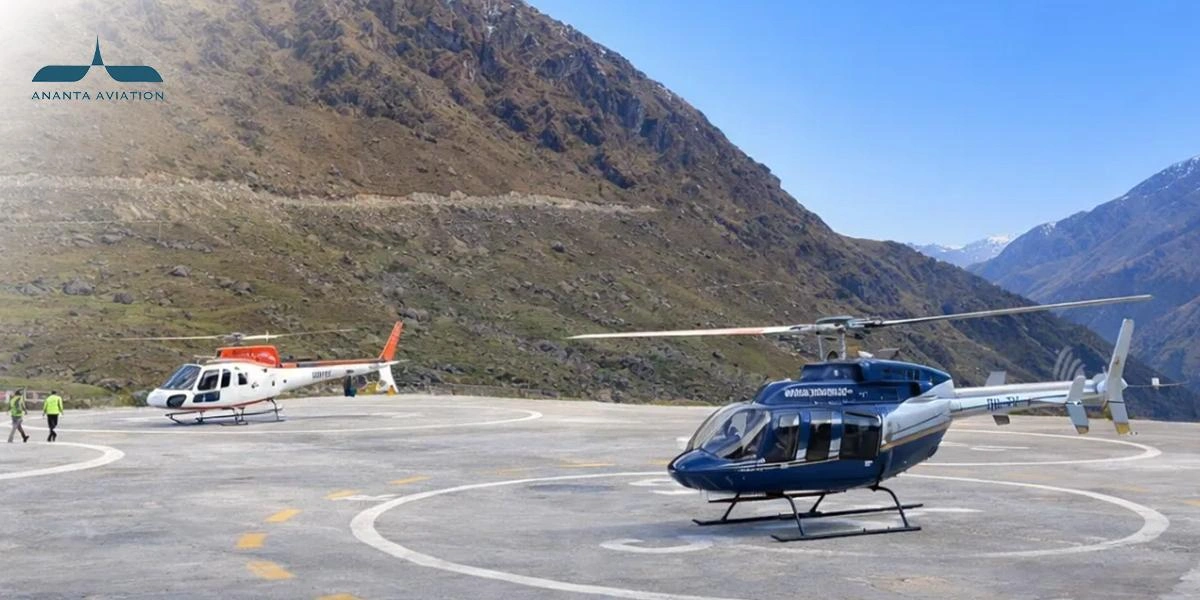
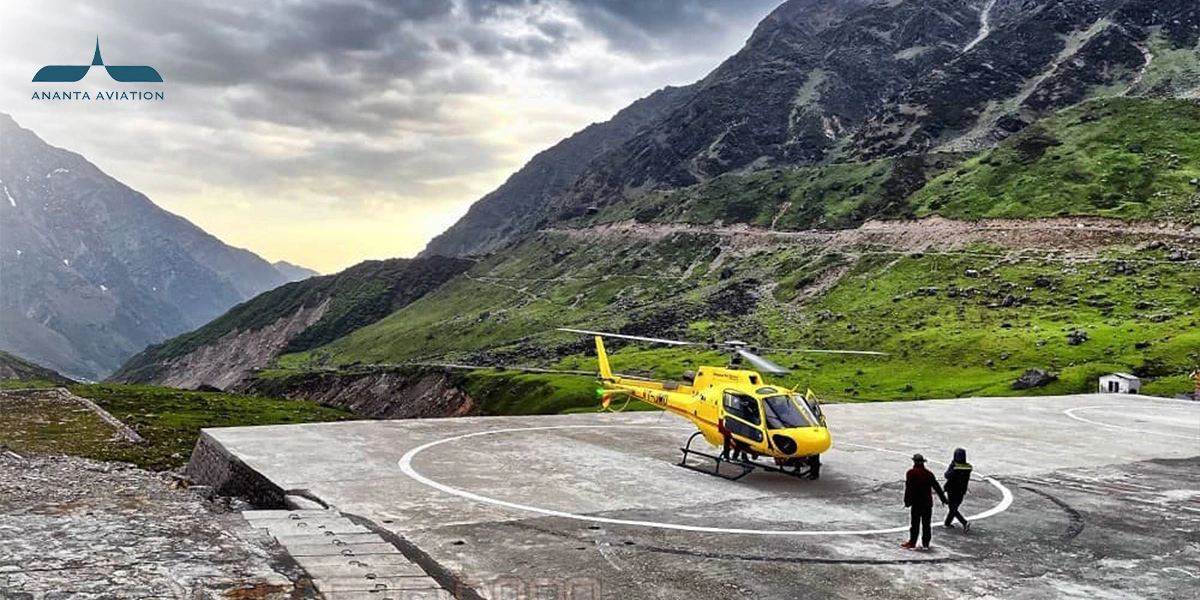
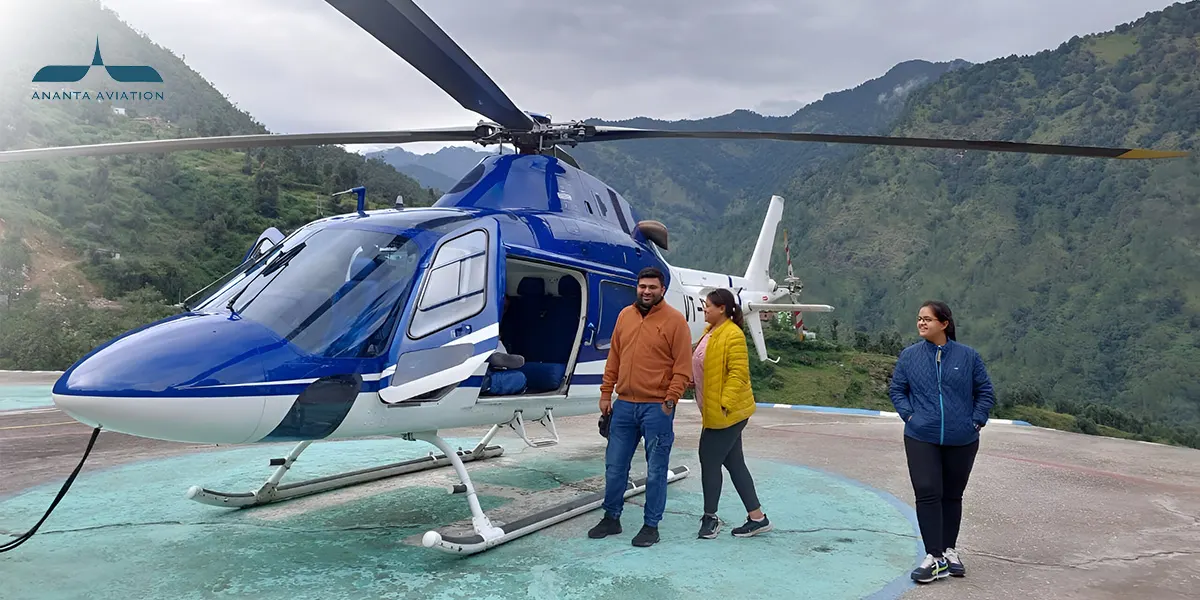
- Helicopter darshan runs only while the high shrines are open. Once the doors close, a 2 Dham by helicopter trip pauses until the next season’s opening dates are announced.
- Winter seats are best reached by road. The drives are long but scenic, and you get time at small temples that summer schedules often skip.
- Opening dates for 2027 come out in spring. Booking early usually gives you a wider choice of travel dates and return slots for your group.
- Before booking any flight, ask about inclusions, luggage limits and weather buffer days. This keeps sudden delays from upsetting your darshan plans and onward travel.
- Flying does not remove altitude effects. Elderly pilgrims and anyone with heart or lung conditions should consult a doctor before visiting any high shrine.
Winter is for the road, and summer is for the skies, so plan each season on its own terms.
Practical Tips for a Comfortable Winter Darshan
Small steps make a cold weather pilgrimage much easier, especially with elders in the group.
- Pack thermal layers, woollen socks, gloves, and a warm jacket. Nights in these valleys can drop below freezing in December and January, so dress in layers.
- Carry a valid photo ID and some cash. ATMs and mobile networks can be patchy in small villages like Kharsali and Mukhba, so plan.
- Confirm aarti timings with the local temple office on arrival. Winter seat timings can differ from the summer schedule followed at the main shrine.
- Note how your family handles the cold and long drives. Sharing this with Fly With Ananta helps plan a summer route that suits everyone’s pace and comfort.
A little preparation turns a cold trip into a peaceful one.
From Winter Seats to Summer Shrines: Completing the Circle
Winter darshan shows a quieter side of the Char Dham. The deities are the same, and the daily rituals continue. What changes is the pace. There are fewer crowds, shorter queues, and more time to sit and pray. Ukhimath, Joshimath, Mukhba and Kharsali each hold their own old traditions of worship, and they stay open while the high peaks sleep under snow. Visit them this winter and you will understand the Dhams in a deeper way. When the doors reopen in spring, a 2 Dham Yatra by helicopter lets you complete the circle at Kedarnath and Badrinath. Ready to plan both seasons with care? Talk to Fly With Ananta today and let our team shape a pilgrimage around your dates, your family and your pace.
FAQs
1. Is darshan at the winter seats the same as at the main shrines?
Yes, in spirit. The utsav idols and sacred items are carried down in dolis, and the same traditions continue with daily puja. The main temples stay closed, so these winter seats are where devotees offer prayers until spring each year.
2. Do I need to register for the winter yatra?
Not for now. Uttarakhand is preparing a winter registration system, but officials have said it will not be compulsory. It is mainly meant to collect pilgrim data for safety planning. Check the official tourism portal before you travel for updates.
3. Can I cover all four winter seats in one trip?
Yes, but plan for at least seven to eight days by road. Ukhimath and Joshimath sit in Garhwal’s eastern valleys, while Mukhba and Kharsali are in Uttarkashi. Add buffer days, since snow can close or slow roads without much warning.
4. When is the best time to visit the winter seats?
Late November and early December are usually easier, as heavy snow has not fully set in. January can be very cold. February and March bring clearer days. Always check road and weather updates from local authorities before driving each morning.
5. Are helicopter services available for winter darshan?
Helicopter darshan to Kedarnath and Badrinath stops once the main shrines close for winter. The winter seats are visited by road. To fly, plan for the next season, and ask Fly With Ananta once the opening dates are officially announced.
Blog