Yamunotri’s Surya Kund: The Prasad Cooked in a Boiling Spring
Surya Kund is a natural hot spring right beside the Yamunotri temple. Pilgrims tie raw rice and potatoes in a cloth and cook them in its water. The cooked food becomes prasad for Goddess Yamuna. This guide explains the ritual, the science behind the heat, recent numbers and how to plan your visit safely.
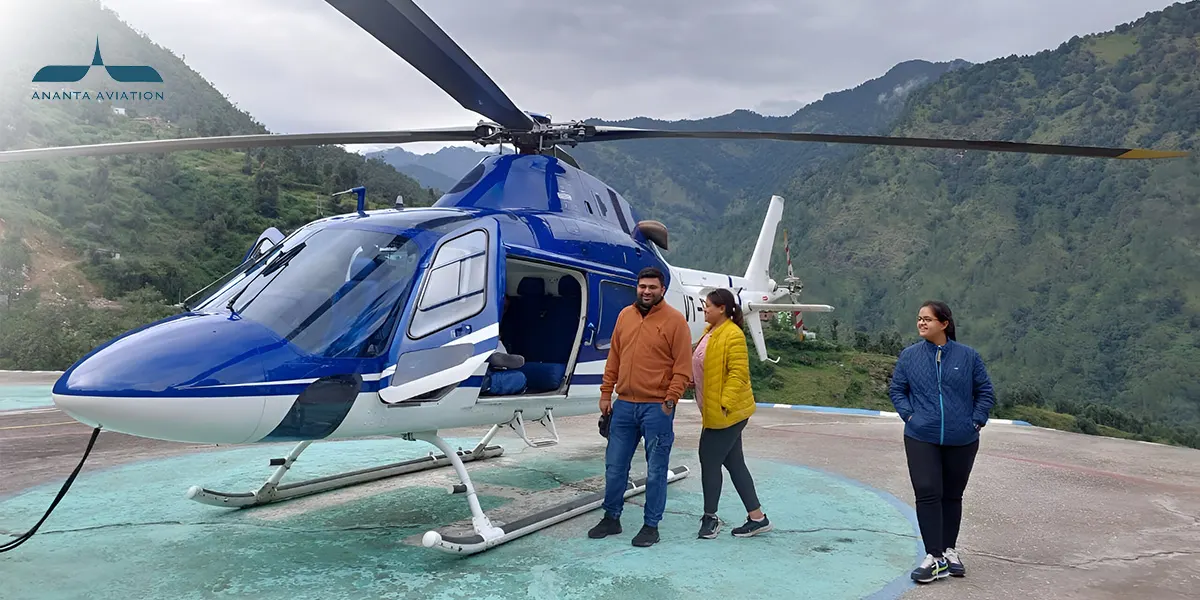
If you are planning a Char Dham Yatra by helicopter Surya Kund is still part of your Yamunotri day. The helicopter does not land at the temple. Knowing what to expect helps you plan your time and your safety.
What Makes Surya Kund So Hot?
Surya Kund looks like a small pool. A little science explains how it can cook food on its own.
- Surya Kund lies close to the Yamunotri temple at about 3,293 metres above sea level, in the Garhwal Himalayas of Uttarakhand.
- Its water is reported at around 88°C. Treat this as a reported reading, not a fixed number. Spring temperatures can change a little with season and flow.
- Many pilgrims on a Char Dham Yatra by helicopter ask why the spring is not 100°C. The answer lies in the thin mountain air around the temple.
- At this height, air pressure is much lower than at sea level. Lower pressure makes water boil below 100°C, roughly near 90°C here. So 88°C is very close to boiling.
- The spring is linked to Surya Dev, the Sun God. In Hindu belief, Goddess Yamuna is his daughter, which is why the kund carries his name.
That is why the water can cook food, and why it must never be touched.
Surya Kund and the Other Hot Springs Nearby
First-time visitors often mix up the different kunds near the temple. Here is a simple way to tell them apart.
- Several hot springs rise near the Yamuna Devi temple. Surya Kund is the most important of them, with water coming out of cracks in the mountain.
- Gauri Kund is another spring nearby. Its water is warm enough for bathing, unlike Surya Kund, which is used only for cooking the prasad.
- Divya Shila is a sacred rock beside Surya Kund. It is worshipped before puja is offered to Goddess Yamuna.
So bathe only where bathing is allowed, and treat Surya Kund as a cooking spring.
How the Boiling Spring Prasad Is Made
The main practice is similar for most pilgrims. The exact order of steps can differ, so follow the local priest’s guidance on the day.
- Devotees tie raw rice and potatoes in a cloth bundle. The bundle is placed in the hot spring water until the food is cooked.
- The cooked food is then shared among people as prasad. Many devotees also carry a portion home as a blessing for family members.
- Local customs on when to cook, offer and pray can vary. Ask the priests or temple helpers before you start, and follow their order of steps.
- Carry a small steel box for the prasad. Let the food cool enough before you close the lid, especially if you will travel for several hours.
The ritual is short, so it fits into even a tight darshan schedule.
Lesser-Known Numbers From Yamunotri
Surya Kund stays busy all season. These recent figures show how many people make the climb, and what can stop them.
- Yamunotri received 884,742 pilgrims in the 2026 season. The temple doors closed for winter on 11 November 2026, after the traditional closing rituals.
- By 21 August 2026, Yamunotri had already logged 668,163 visitors. That was more than the full 2025 season, which recorded 644,637 devotees.
- Weather is the big risk. In 2025, Yamunotri saw 23 days with zero visitors and 30 more days with very low turnout between April and August.
- The temple committee received more than ₹90 lakh in donations over the six-month season, through donation boxes and receipt books. The final count before closing alone found ₹10.42 lakh in cash and about ₹6 lakh in receipts.
- In winter, the goddess is worshipped at Kharsali village. Devotees can pray there while the main shrine stays snowbound and closed.
Anoop Nautiyal, founder of the Dehradun-based SDC Foundation, which studies Char Dham footfall, put it simply: “Planning for resilience over record-breaking pilgrim numbers is the need of the hour.” For pilgrims, that means building some slack into every plan.
Reaching Surya Kund on a Helicopter Yatra
A helicopter cuts the long drive. Yamunotri still asks for some effort on the ground, so here is how the pieces connect.
How the Journey Connects
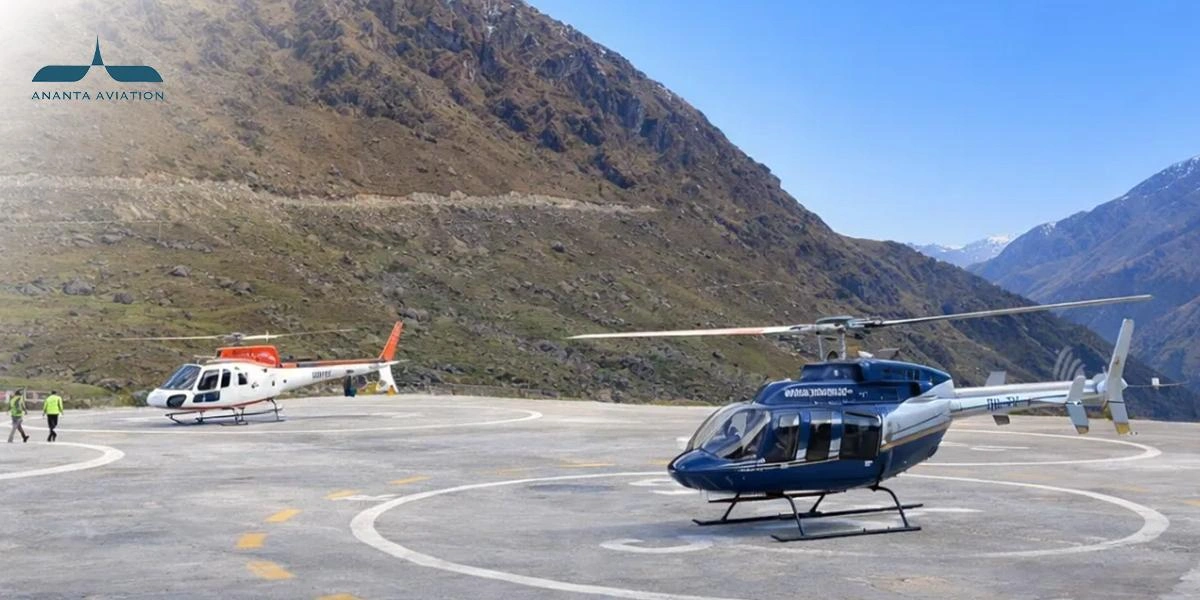
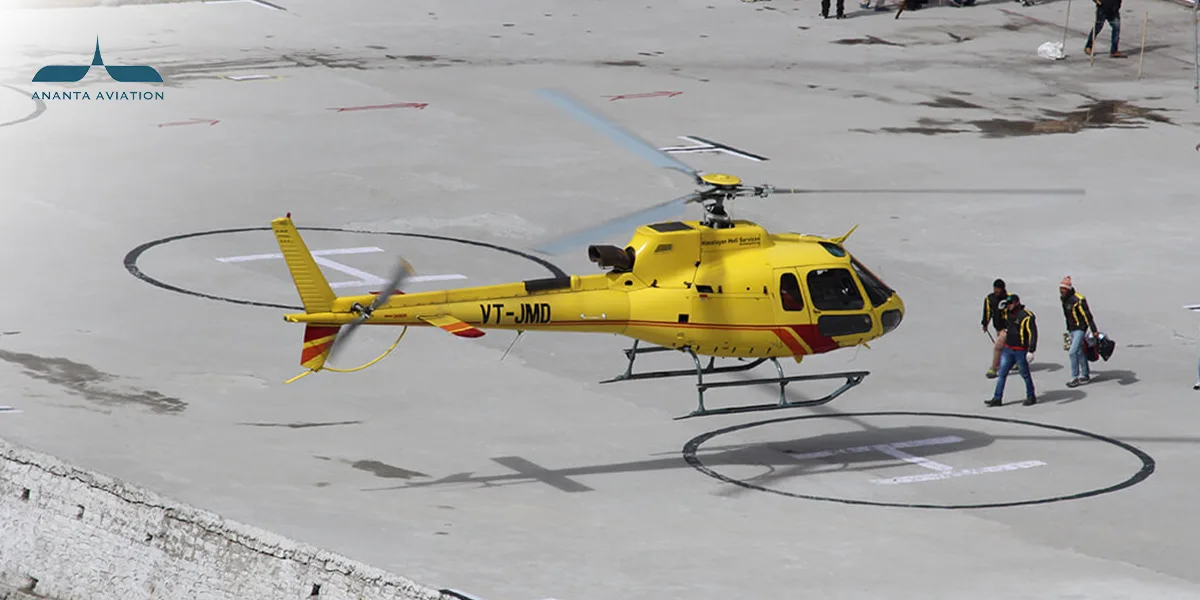
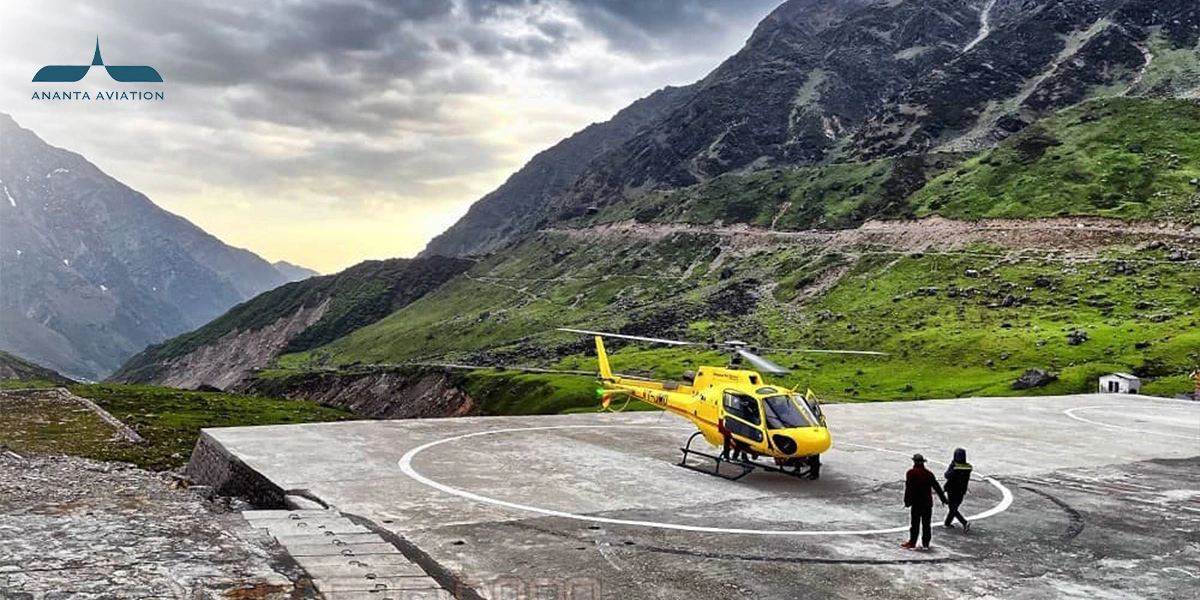
- On a Char Dham by helicopter route, flights for Yamunotri land at Kharsali helipad. Flight time depends on your departure point, route and weather on the day.
- From Kharsali, a short ground transfer takes you towards Janki Chatti. Ask Fly With Ananta to confirm how this transfer is arranged for your travel date.
- From Janki Chatti, the temple is a 5 to 6 km uphill journey. You can walk or use a pony or palki.
- At the temple, you complete darshan and visit Surya Kund. Then you return the same way, so keep enough daylight for the walk down.
Paperwork and Price
- Registration is mandatory for Char Dham pilgrims. Complete it on the official Uttarakhand portal, registrationandtouristcare.uk.gov.in, well before your travel date.
- The 4 Dham helicopter price changes with season, seat type and group size. Always ask for a fresh written quote instead of trusting old fares online.
For current fares, timings and transfer details, speak to the Fly With Ananta team.
Practical Tips for Your Time at the Kund
A few small habits make the kund visit safer and calmer.
- Never place your hands near the hot water. Follow the designated local procedure for lowering and retrieving the bundle, and keep children at a safe distance.
- Keep a buffer day in your plan. Weather around Yamunotri can ground flights or close the trail at short notice.
- Wear shoes with good grip. Stones around a hot spring stay wet, and the area near the temple gets crowded at busy times.
- Flying in does not remove altitude effects. Elderly pilgrims and anyone with heart or breathing issues should consult a doctor before the trip.
- Before booking a Char Dham Yatra by helicopter package, check whether the pony or palki is included. Also ask how much time is kept for darshan and the kund.
Small steps like these keep your focus on the ritual, not on rushing.
Planning a Yamunotri Day That Leaves Room for Surya Kund
Surya Kund is a short stop, but it is the part many pilgrims talk about later. Raw rice goes into a cloth. A spring close to boiling cooks it. The prasad is shared with others and carried home to family. To enjoy this fully, you need time, steady footing, a safe approach to the hot water and a plan that allows for bad weather.
A Char Dham Yatra by helicopter saves long road hours, yet Yamunotri still needs a ground transfer and a walk or pony ride. Plan for that. Keep a buffer day. Carry a box for your prasad. If you want a route built around real darshan time, talk to Fly With Ananta. Share your dates and group size, and get a plan that gives Surya Kund the time it deserves.
FAQs
1. Can I cook the prasad myself at Surya Kund?
Pilgrims traditionally cook rice and potatoes in cloth bundles using the spring’s natural heat. Follow the instructions of local priests or designated helpers. Never place your hands near the hot water. Keep children at a safe distance throughout the ritual.
2. Does the helicopter land right at Yamunotri temple?
No. Flights land at Kharsali helipad. A short ground transfer then takes you towards Janki Chatti. From there, the temple is a 5 to 6 km uphill route on foot, pony or palki. Confirm each transfer with your operator.
3. What happens if bad weather delays my Yamunotri flight?
Flights in the hills depend on visibility, so delays can happen at short notice. A buffer day protects your darshan. Before booking, ask your operator about rescheduling rules, refunds and where you will stay if held back overnight.
4. Is Surya Kund suitable for elderly pilgrims?
Yes, with care. The kund is beside the temple, so reaching the temple is the hard part. A palki helps. Altitude can still affect older travellers, so get a doctor’s advice before you fly and travel at an easy pace.
5. Can I visit Surya Kund in winter?
No. The Yamunotri shrine closes for winter, usually around Bhai Dooj, and the area becomes snowbound. During these months, Goddess Yamuna is worshipped at Kharsali village. Plan your Surya Kund visit between the spring opening and the late autumn closing.
Blog