Where the Gods Go in Winter: Ukhimath, Joshimath, Mukhba and Kharsali After the Kapat Close
Each year, Uttarakhand’s four Char Dham shrines close for the winter season, although their closing dates vary. Heavy snow makes the high paths inaccessible. The doors shut, but daily worship does not stop. The deities are carried in procession to lower villages, where pilgrims can still offer prayers. Each village keeps its own tradition.
Understanding this move is useful for any pilgrim. It affects when the main shrines can be visited and where darshan is possible afterwards. If you plan a 4 Dham Yatra by helicopter these details help you choose your dates with confidence. This guide explains the four winter seats: Ukhimath, Joshimath, Mukhba and Kharsali.
When Do the Kapat Close?
For anyone planning a 4 Dham Yatra by helicopter, the closing dates mark the last window for darshan at the main shrines.
- Kedarnath and Yamunotri close on Bhai Dooj: Both shut two days after Diwali. In 2025, Gangotri closed one day earlier, on 22 October.
- Badrinath closes last: It often shuts in the second half of November. The temple announces the exact date on Vijayadashami, after a ritual at the shrine.
- The 2025 season set a record: Badrinath closed on 25 November 2025. About 51 lakh pilgrims visited the four shrines that year, up from 48 lakh in 2024.
The final 2026 dates follow the Hindu calendar, so check them once the temple committees announce them.
Why Do the Deities Move Down for Winter?
The move is part of a living tradition, and it follows clear rules set by the temple committees.
- Snow closes the high shrines: Heavy snow makes the four high shrines hard to reach. So each deity is worshipped in a lower village, and the state now promotes these as the winter Char Dham Yatra.
- The doli carries the deity: The deity travels in a decorated palanquin called a doli. In 2025, the Kedarnath doli left on 23 October and reached Ukhimath two days later.
- Worship never pauses: Daily worship continues at the winter seats for about six months. Pilgrims who visit in winter can still have darshan of the deity there.
So the yatra does not really end in November. It simply moves to a new address.
The Four Winter Seats
Each Dham has its own winter home. Here is where each deity stays and what makes the place special.
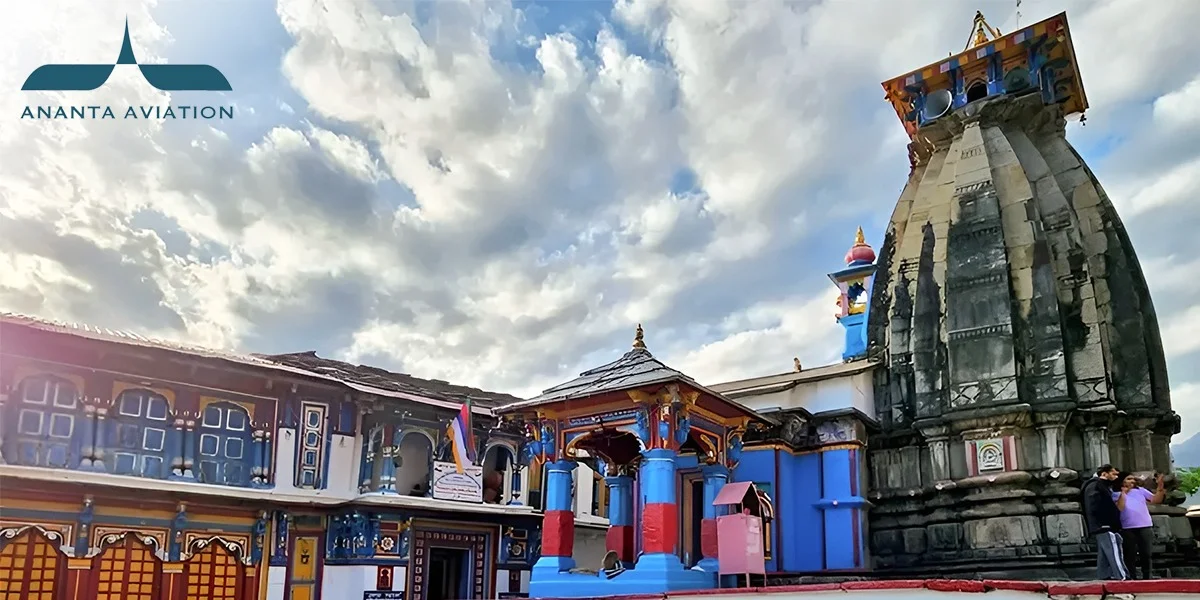
Ukhimath: Winter Home of Lord Kedarnath
- Omkareshwar Temple: This temple in Ukhimath, in Rudraprayag district, is Lord Kedarnath’s winter seat. Worship goes on here for about six months until the main shrine reopens.
- Where the opening date is set: Priests fix the Kedarnath opening date here on Mahashivratri. In 2026, they read the panchang and chose 22 April.
Joshimath and Pandukeshwar: Lord Badrinath’s Winter Seats
- Pandukeshwar: Badrinath has two winter seats. Uddhav Ji and Kuber Ji stay at the Yog Dhyan Badri temple in Pandukeshwar through the cold months.
- Joshimath: The gaddi of Adi Guru Shankaracharya goes to the Narsingh Temple in Joshimath, also called Jyotirmath. In 2025, it reached there on 27 November.
Mukhba: Maa Ganga’s Maternal Home
- Maa Ganga’s winter abode: Mukhba, also spelled Mukhwa, is a small village close to Harsil. Goddess Ganga is worshipped here through the winter after Gangotri closes.
- Mukhimath: Locals call the temple Mukhimath. The Prime Minister offered prayers here on 6 March 2025, which put Mukhba on many pilgrims’ maps.
Kharsali: Where Yamuna Stays Near Her Brother
- Khushimath: Kharsali, also called Khushimath, is Goddess Yamuna’s winter home. Each year, the temple committee fixes the Yamunotri opening time here on Yamuna Jayanti.
- Shani Dev’s company: Shani Dev, also called Someshwar Maharaj, is seen as Yamuna’s brother. His doli walks with hers between Yamunotri and Kharsali each season.
These lower villages generally remain accessible when heavy snow affects the higher shrines. That is why worship can carry on there through the winter.
Lesser-Known Facts About the Winter Char Dham
A few details surprise even pilgrims who have done the yatra before.
- A five-faced idol travels: The idol that goes to Ukhimath is the Panchmukhi Utsav idol of Baba Kedar. On the closing day in 2025, the rituals began at 4 am.
- A daughter’s homecoming: Kharsali welcomes Yamuna’s doli like a daughter returning to her maternal home. She is sent off the same way when Yamunotri reopens.
- Winter visits are growing: Uttarakhand began promoting the winter seats in the 2024-25 season. State tourism figures show 77,093 pilgrims visited them that winter.
The state now wants pilgrims to see these villages as part of the yatra, not as an afterthought. Anyone planning a Char Dham by helicopter trip in autumn can add these villages by road later.
“Diversifying our tourism sector, making it perennial, is very important for Uttarakhand.” Narendra Modi, Prime Minister of India, at Harsil.
Planning Your Trip Around the Closing Dates
A little planning helps you avoid last-minute stress at the end of the season.
- Fly before the doors close: Plan flights for September or October to see the main shrines. After the Kapat close, the deities stay only at the winter seats.
- Keep buffer days: Weather can delay flights near the end of the season. Plan onward trains or flights at least one day after your return, and ask how delays are handled.
- Choose flexible dates: A private charter for Char Dham Yatra gives you more control over timing. Families can plan around closing dates instead of waiting for fixed group departures.
- Ask before you pay: Check what the package covers, such as transfers and stays. Ask what happens if weather cancels a flight, and get every answer in writing.
Late-season dates leave little room to reschedule, so it helps to start planning a few weeks early.
When the Doors Close, the Yatra Moves Down the Mountain
The Kapat close is not the end of the yatra. It is a handover. The deities settle in Ukhimath, Pandukeshwar, Joshimath, Mukhba and Kharsali, and worship continues there for about six months. Pilgrims who miss the main season can still visit these villages by road. If you plan a 4 Dham Yatra by helicopter, check the temple calendar against your travel dates and allow time for weather changes. The final 2026 dates will follow the committees’ announcements. For help matching your plans to that calendar, you can speak with Fly With Ananta.
FAQs
1. Where is Lord Kedarnath worshipped in winter?
Lord Kedarnath is worshipped at the Omkareshwar Temple in Ukhimath, in Rudraprayag district. The doli reaches there a few days after the Kapat closes on Bhai Dooj. Daily puja continues for about six months until the main Kedarnath temple reopens.
2. Does Lord Badrinath leave the temple in winter?
Not exactly. Uddhav Ji and Kuber Ji move to Yog Dhyan Badri in Pandukeshwar for winter. The gaddi of Adi Shankaracharya goes to the Narsingh Temple in Joshimath, also called Jyotirmath. Pilgrims can offer prayers at both of these places.
3. Can I visit the winter seats by helicopter?
Helicopter services for the yatra mainly run during the main season, while the temples are open. Most pilgrims reach the winter seats by road. Check current operations with Fly With Ananta, as winter flying depends on weather and on official approvals.
4. When should I book a late-season helicopter yatra?
Late September and October can be considered for a late-season trip, but weather can still affect helicopter operations. Check current conditions before finalising plans. Book early with Fly With Ananta and keep buffer days, since Kedarnath and Yamunotri close two days after Diwali.
5. Is darshan at a winter seat equal to visiting the main Dham?
Many devotees believe so, since the deity is worshipped there with full rituals all winter. For pilgrims who miss the main season, a winter seat visit is a meaningful and peaceful way to seek the blessings without waiting for the spring reopening.
Blog