
The Char Dham Yatra Before Helicopters: How Pilgrims Did It for Centuries
For centuries, pilgrims reached Yamunotri, Gangotri, Kedarnath and Badrinath without motor roads or flights. Many walked long stretches through river valleys and relied on rest stops along the way. This guide explains how that older yatra worked, how it changed and what it can teach you today.
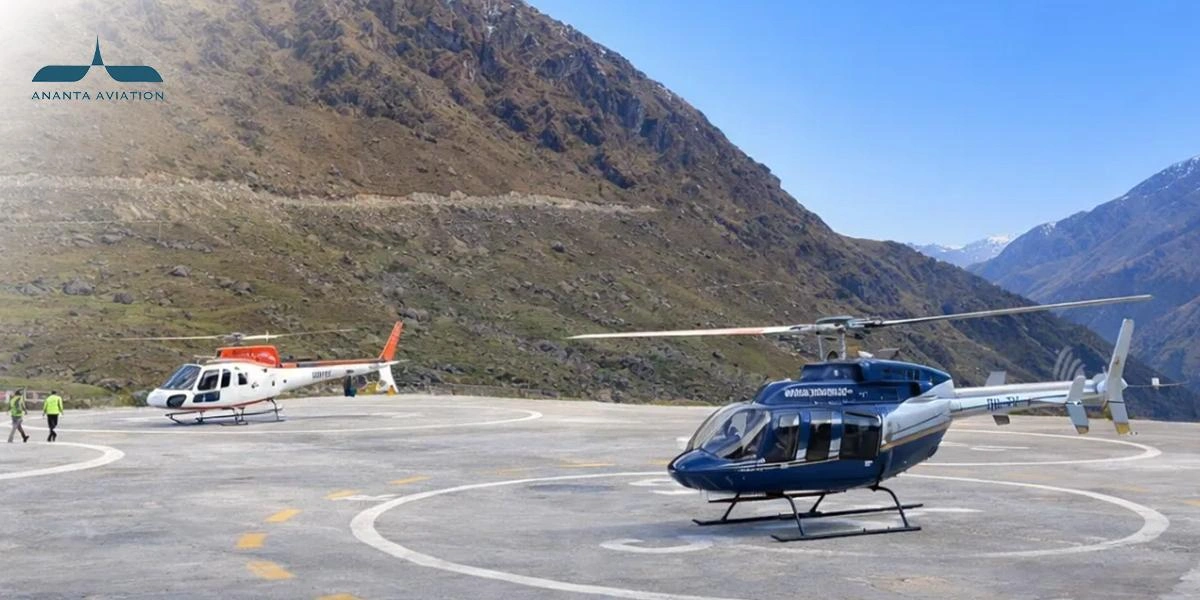
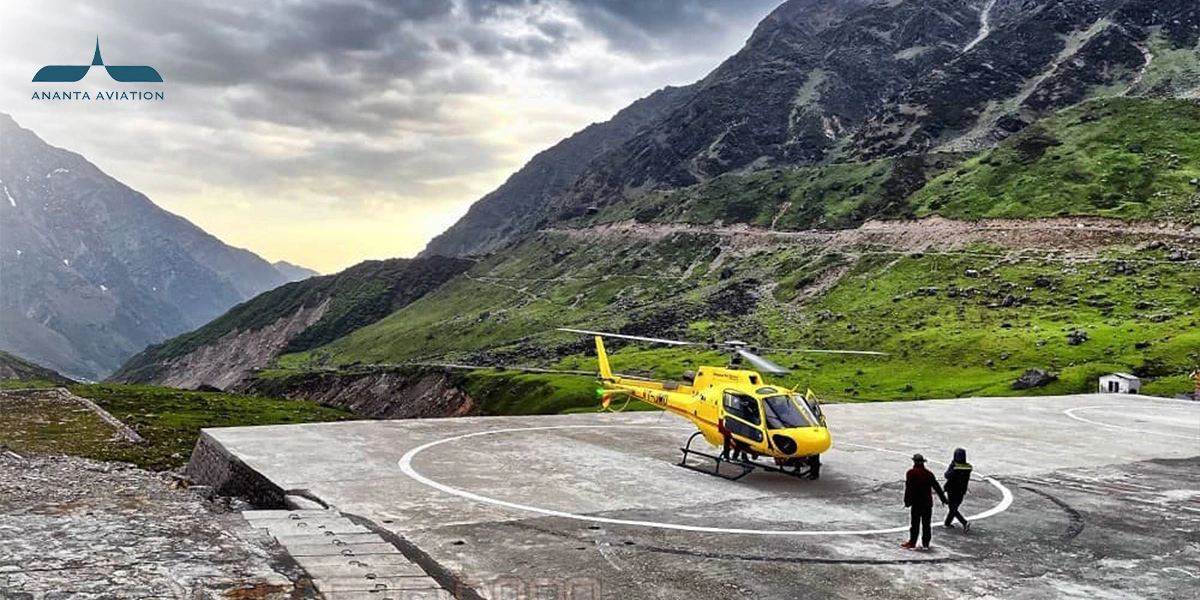
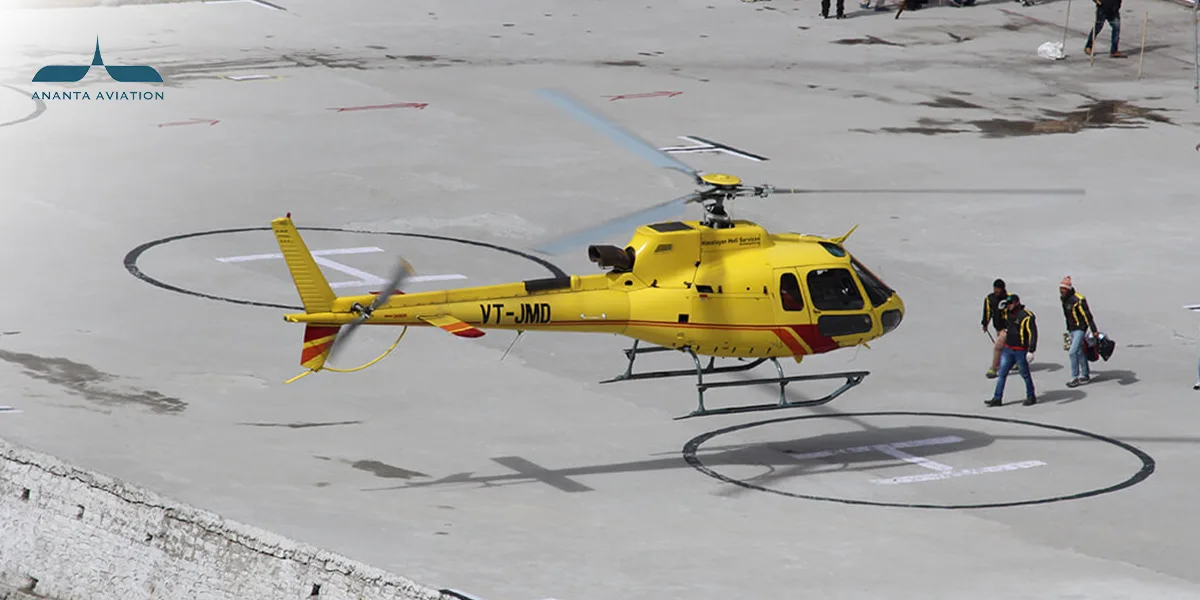
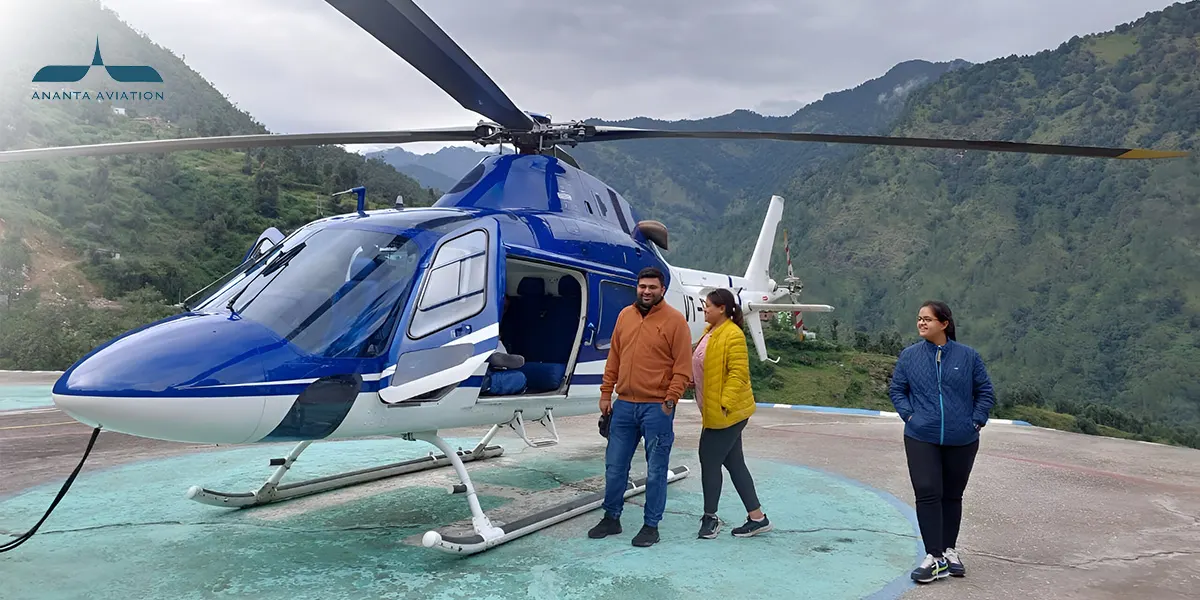
Why does this still matter? The mountains have not changed much. A Char Dham Yatra by helicopter removes days of road travel, but weather, altitude and temple timings still shape every trip. The old pilgrims understood this well.
How Pilgrims Walked the Char Dham Circuit
This is how the older, walking yatra generally worked, though routes and habits varied across periods and travellers.
- Varied starting points: Many pilgrims began from Haridwar or Rishikesh, but starting points changed with the era, the route and where the traveller came from. Groups often walked together.
- Chattis along the way: The route had small rest stops called chattis. Some names still survive. Janki Chatti, for example, is still the starting point of the uphill walk to Yamunotri.
- Then and now, in time: Today, a Char Dham Yatra by helicopter can cover all four shrines in about six days. On foot, timing depended on stamina, weather and route.
- A saint who built shelters: Swami Vishuddhanand, known as Baba Kali Kamli Wala, began a pilgrim service that grew into chattis and dharamshalas reaching the four shrines.
- Walking only in season: Pilgrims could travel only while the temples were open. That rule still holds. In 2025, the doors of Badrinath closed on 25 November, ending the yatra season.
These habits built a slow but steady pilgrim culture that shaped the route we use today.
How the Yatra Changed Over Time
A short timeline shows how the walking pilgrimage slowly became the road and air journey of today.
- Before colonial rule: The yatra was a walking journey shaped by rivers, forests and seasons. Historian Nivedita Nath describes these early pilgrimages as closely tied to nature and the senses.
- Colonial era: British officials brought road works, forestry rules and sanitation plans to the route. Archive files include a 1909 sanitation scheme and a 1913 report on the Badrinath route.
- Rise of pilgrim institutions: Hindu bodies such as the Kali Kamli Wala Trust expanded shelter along the route. A 1949 state archive file even concerns the trust’s government lease.
- After independence: Motor roads moved steadily closer to the shrines. Nath argues that today’s all-weather highway plans for the four Dhams continue a path that began in colonial times.
- Today: Pilgrims register online, and many fly for part of the journey. Helicopter services still depend on weather, official clearances and landing conditions at each helipad.
Each stage made the yatra faster, but none of them removed the mountains from the plan.
Then and Now: A Quick Comparison
The table below puts the walking yatra and today’s yatra side by side.
| Aspect | Walking yatra (past) | Today’s yatra |
| Transport | On foot, along valley trails | Road, with helicopters for those who choose |
| Duration | Varied with stamina, weather and route | About six days on a helicopter package |
| Shelter | Chattis and dharamshalas | Hotels and package stays |
| Weather | Pilgrims waited out rain at rest stops | Roads close and flights pause, so buffer days help |
| Records | No formal registration | Online registration, with offline counters too |
Faster travel changed the journey, but the core challenges of weather and altitude remain.
The Hardships That Defined the Old Route
The walk was sacred, but it was never easy. These were the biggest challenges pilgrims faced.
- The monsoon problem: Rain turned paths into mud and rockfall zones. It still does. In July 2025, landslides blocked roads to Gaurikund, Badrinath, Gangotri and Yamunotri.
- Lost paths at Kedarnath: The 2013 floods washed away the old walking path to Kedarnath, so pilgrims moved to a newer trail. In 2025, the Public Works Department began rebuilding the old one.
- Why the old route matters: Environment expert Professor S.P. Sati said, “The old route has been there since the ages.” With both paths open, crowding on the newer trail should ease.
- Altitude, then and now: Walkers adjusted to thin air slowly, over many days. Flying is faster, so the body gets less time. Helicopter travel does not remove altitude effects.
Many of these risks still exist, which is why planning matters more than speed.
From Footpaths to Flights: The Yatra in Numbers
Today’s crowds would amaze the old walkers. Recent figures show the scale, but they need careful reading.
- Recorded footfall in 2025: The yatra recorded 51,06,346 pilgrims in 2025, up from 48,01,167 in 2024, according to the SDC Foundation’s Char Dham Yatra 2025 fact sheet.
- Quiet days exist too: The same study found 86 days in 2025 with zero pilgrims across the shrines. Crowds come in waves, not as a steady stream.
- The 2026 season so far: By 14 September 2026, 50,56,160 devotees had visited the four Dhams and Hemkund Sahib. Registrations stood at 66,07,749, but registrations show plans, not completed visits.
- Registration has gone digital: In 2025, Aadhaar-based eKYC was added to online registration, while offline counters continued. Rules can change, so check the official portal each season.
- Flights stop for weather too: After the 2025 monsoon, helicopter services were set to restart only on 15 September. Plan any Char Dham by helicopter trip with buffer days.
The 2025 and 2026 figures measure different things, so read them side by side with care.
Lessons From the Old Pilgrims for Modern Travellers
The walkers of the past left behind useful habits. This is how they apply to a trip by air.
- Keep a spare day: Old pilgrims waited out rain at chattis. A 4 Dham Yatra by helicopter also depends on clear skies, so keep at least one free day before your return travel.
- Ask what is included: When you compare the Chardham Yatra by helicopter price, check flights, stays, meals, transfers and darshan help. Ask Fly With Ananta for current fares instead of trusting old online figures.
- Put health first: Speak to a doctor before you go, especially for elderly travellers or anyone with heart or lung concerns. The altitude is the same, however you arrive.
- Know the winter homes: When the temples close, the deities move. In 2025, the throne of Adi Shankaracharya moved from Badrinath to Narsingh Temple in Jyotirmath for winter.
Small habits like these make a modern yatra calmer and more respectful.
Same Faith, Shorter Road: Planning Your Yatra Today
The old pilgrims walked because they had no other choice. Their faith was patient, and their plans followed the seasons. That spirit still fits today. A Char Dham Yatra by helicopter gives you more time at the shrines and less time on the road. Still, flights depend on weather, official clearances, helipad conditions and temple timings. So plan like the old walkers did. Respect the weather. Keep spare days. Look after your health. Learn the story of the places you visit.
Want help planning a calm, well-timed yatra? Talk to Fly With Ananta and share your dates, group size and health needs. Fly With Ananta can suggest the right package and explain what is included, from flights to darshan support.
FAQs
1. Did pilgrims really walk to all four Dhams in the past?
Yes, in large part. Before motor roads reached the hills, many pilgrims walked long stretches, often starting from Haridwar or Rishikesh. Routes varied, but most relied on chattis and dharamshalas and timed the journey around the open temple season.
2. What were chattis on the Char Dham route?
Chattis were simple rest stops along the walking path. Pilgrims could sleep, cook and take shelter there. Some names, like Janki Chatti near Yamunotri, survive today. Many places in the region still carry the word chatti in their names.
3. Do I need to register for the yatra if I fly?
Yes. Uttarakhand asks pilgrims to register for the yatra, whatever their mode of travel. Online registration added Aadhaar-based eKYC in 2025, and offline counters also ran. Rules can change, so check registrationandtouristcare.uk.gov.in before each trip.
4. What happens if bad weather stops flights?
Flights in the hills run only in safe weather. Delays of a few hours or even a full day can happen. Keep a buffer day, and ask your operator in writing about rescheduling and refund rules before you book.
5. Does flying remove the risk of altitude sickness?
No. Flying saves walking effort, but Kedarnath and Badrinath are still at high altitude. Reaching them quickly can give your body less time to adjust. Consult a doctor before travel, especially for elderly pilgrims or those with health conditions.
Blog