The All-Weather Char Dham Road: Where the Project Stands and What It Changes
If you are planning a Char Dham trip, you have probably seen mixed reports about the road. Some say it is finished. Some say large parts are still rough and risky to drive. The truth sits somewhere in between, and it shifts a little every season.
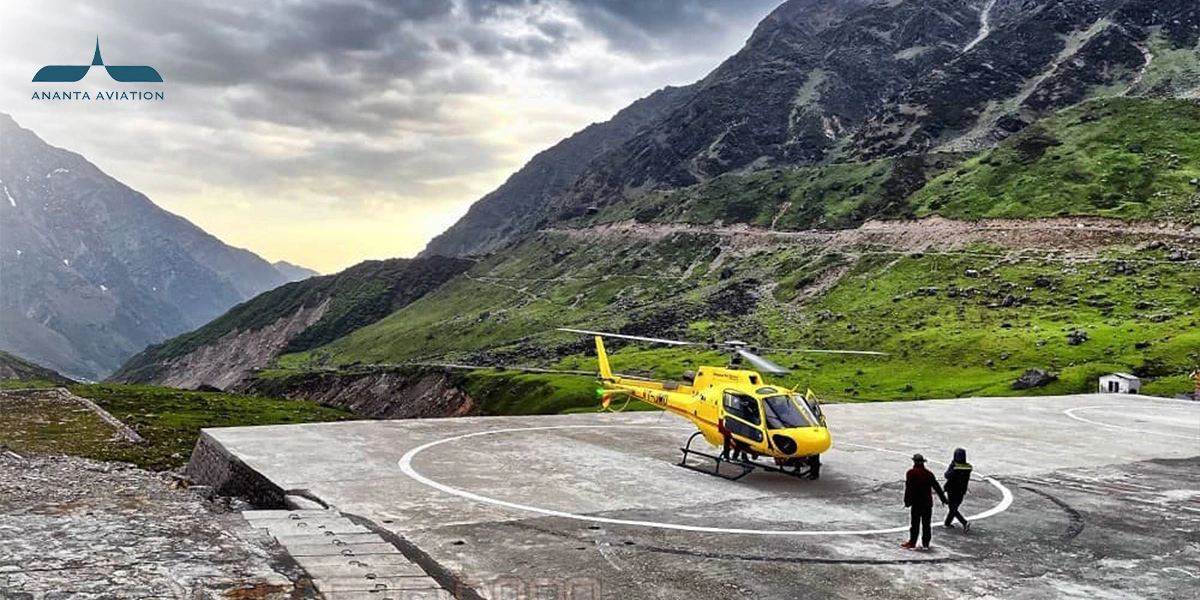
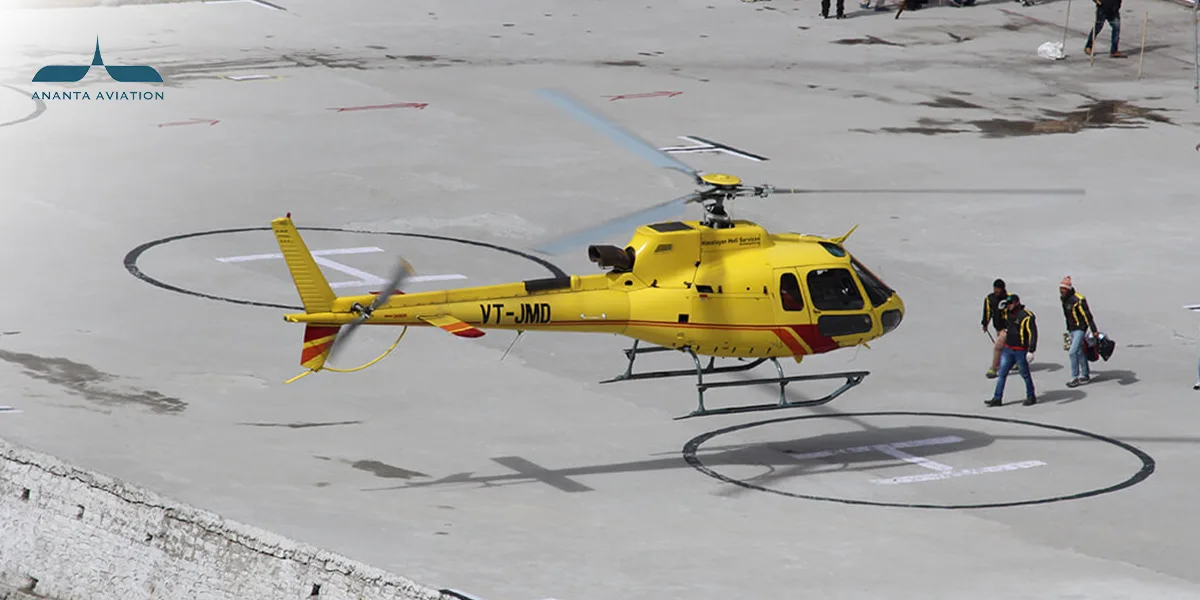
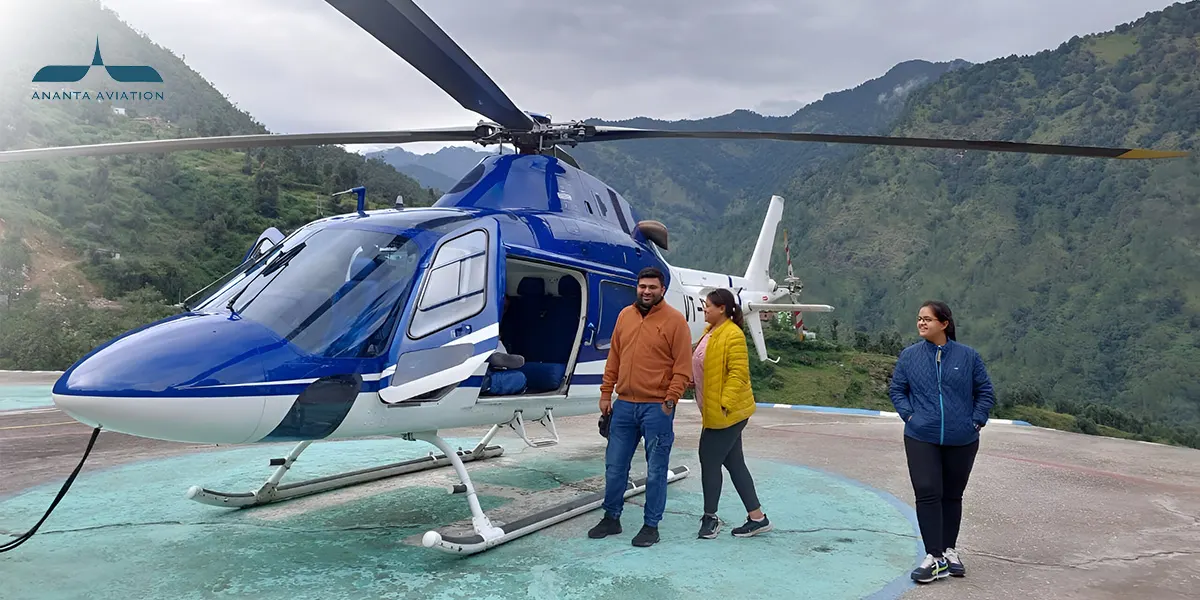
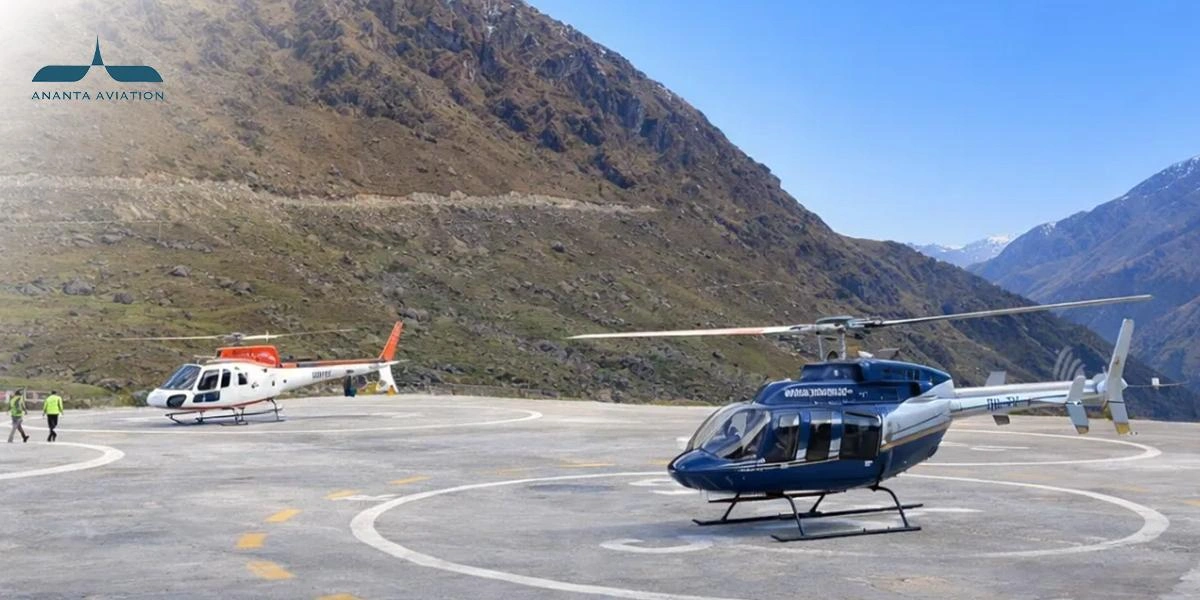
That gap between what is promised and what is actually drivable is one reason many pilgrims choose a 4 Dham Yatra by helicopter instead of waiting for the highway to catch up. It avoids long, landslide-hit road stretches, but it is not immune to delay either. Helicopter flights depend on clear weather just as much as mountain roads do, and both can be grounded on a bad day.
What The All-Weather Road Project Actually Covers
Before you decide between a road trip and a 4 Dham Yatra by helicopter, it helps to know what this government project was built to do in the first place.
- The project is officially called the Chardham Mahamarg Vikas Pariyojana. It was approved in 2016 to widen roughly 825 km of existing national highways connecting Yamunotri, Gangotri, Kedarnath and Badrinath.
- That 825 km is built in 53 separate civil work packages, each under 100 km, so contracts and clearances could move through the system package by package.
- The estimated cost is close to ₹12,000 crore, and the work is carried out jointly by the Uttarakhand PWD and the Border Roads Organisation.
- The 53-package structure has also drawn parliamentary scrutiny. MPs asked whether dividing the highway this way let the project skip a full Environment Impact Assessment; the government’s response pointed to the existing EIA notification thresholds for highways under 100 km, rather than giving one simple reason for the split.
How Much Of The Highway Is Actually Ready
Progress figures keep moving, so here is the most recent consistent figure available, rather than mixing older and newer ones.
- In April 2026, Union Minister Nitin Gadkari said 640 km of the 825 km Char Dham road project was complete, putting overall progress at roughly 78 percent, as part of a wider ₹1.3 lakh crore Uttarakhand infrastructure push.
- Progress is not evenly spread across the four routes, and construction or repair work continues on different stretches each season. Because conditions can shift within weeks on any one stretch, many pilgrims treat Char Dham by helicopter as a weather-dependent backup plan rather than a guaranteed shortcut, and build a buffer day into their itinerary either way.
- Alongside the highway, two separate ropeway projects are being developed under the national ropeway programme: a 12.9 km Sonprayag–Kedarnath ropeway awarded to Adani Enterprises, projected to cut that one-way journey to roughly 36 minutes once it opens, and a 12.4 km Govindghat–Hemkund Sahib ropeway.
- The 4.531 km Silkyara-Barkot tunnel is a related but separate development on the Dharasu-Yamunotri stretch. Once operational, it is expected to replace a 25.6 km snow-affected section with the shorter tunnel passage, cutting travel time there from about 50 minutes to roughly five minutes; NHIDCL still lists the project as ongoing.
Why Many Still Choose The Char Dham Yatra By Helicopter
Road progress is real, but it has not slowed demand for flying. If anything, the Char Dham yatra by helicopter stayed busy through the 2026 season.
- By 14 September 2026, Uttarakhand had recorded 66.07 lakh registrations for the pilgrimage, with 50.56 lakh darshan visits logged across the four Char Dham shrines and Hemkund Sahib together; that is a cumulative visit count, not a count of unique pilgrims who finished all five sites.
- According to the Ministry of Civil Aviation’s official release, the first phase of 2026 helicopter operations carried 78,779 pilgrims between April and 26 June: 67,064 on shuttle services across 12,032 departures, and 11,715 on charter flights across 2,065 operations, concluding without a major incident.
- That phase ran on stronger safety infrastructure: 33 PTZ cameras at key locations, two Integrated Command, Control, Communication and Coordination Centres at Sahastradhara and Sitapur, dedicated ATC and weather-monitoring staff, and a tracking device fitted to every helicopter.
- UCADA CEO Ashish Chauhan said in January 2026 that daily Sahastradhara flights were cut from 65 to 40 to meet DGCA safety norms, following five helicopter accidents during the 2025 season.
- Civil Aviation Minister Ram Mohan Naidu said that with lakhs of devotees undertaking the pilgrimage, safety had to stay the government’s top priority.
- For travellers weighing the two options, here is the trade-off in simple terms:
| Travel factor | Road journey | Helicopter journey |
| Main advantage | Flexible, stops where you like | Saves hours of mountain driving |
| Main disruption | Landslides, roadblocks, traffic | Poor visibility, wind, rain |
| Weather dependency | Monsoon and snow can close stretches for days | Fog and wind can ground flights for hours |
| Physical effort | Long hours on winding roads | Short flight, still some walking at the helipad |
| Planning need | Extra travel days as buffer | Weather buffer and clear cancellation terms |
- At Fly With Ananta, we help travellers weigh this trade-off against their own dates, group size and tolerance for delay, since neither mode guarantees an on-time Himalayan journey.
What Changed For Travellers In 2026, And What To Check For Next Season
A few 2026 rules matter more to trip planning than the completion percentage itself, though some of these may be updated before the next pilgrimage season reopens.
- Under the state transport department’s 2026 seasonal directions, passenger vehicles on Char Dham routes were restricted from operating between 10 PM and 4 AM; heavy and goods vehicles faced their own restrictions on designated stretches during the same window. These were season-specific rules, so confirm the current directions closer to the next yatra’s opening.
- Char Dham registration is mandatory and free, done through the official Uttarakhand Tourism portal, and it must be completed before you can attempt a 4 dham helicopter booking on the IRCTC HeliYatra platform, the only authorised site for this. Keep your registration details and valid photo identification ready, and check the latest passenger instructions nearer your travel date.
- If you were hoping the Sonprayag–Kedarnath ropeway might shorten your trip soon, it is still under construction with no confirmed commissioning date, so it is not yet a bookable alternative.
- At Fly With Ananta, we help travellers understand current booking requirements, route options and operational updates before they finalise their helicopter journey.
Road work will keep closing gaps every season, but it will not remove every delay, and rules like these tend to be revised from one yatra season to the next.
Planning Your Journey With Confidence
The all-weather road is a genuine improvement over what pilgrims faced a decade ago, but “all-weather” still has limits on a mountain, and no mode of travel here is entirely free of delay, weather included. For anyone short on time, worried about landslides, or travelling with elderly family, a 4 Dham Yatra by helicopter remains a strong option for the next pilgrimage season, provided you plan around weather buffers and book early. If you want a clear, current flight plan rather than guessing which stretch of highway or which rule has changed since last year, Fly With Ananta can help you match your dates, group size and comfort with delay to the right route.
FAQs
1. Is the Char Dham all-weather road fully completed?
Not yet. In April 2026, the Road Transport Ministry said 640 of the 825 km project was complete, putting progress at roughly 78 percent. Work continues on different stretches each season, so check local advisories before you travel.
2. Which Char Dham route has the worst road conditions?
There is no single official route-by-route breakdown, so it is inaccurate to call one route definitively the worst. Progress varies by stretch and season, which is why checking the current local road advisory for your specific route matters more than the overall percentage.
3. Do I need separate registration for helicopter travel?
No separate registration exists. You must complete Char Dham Yatra registration on the official Uttarakhand Tourism portal first, since helicopter bookings on the IRCTC HeliYatra platform require it. Carry matching photo ID, and check current boarding instructions before you travel.
4. Why did helicopter services change in 2026?
After five helicopter accidents in 2025, UCADA cut daily Sahastradhara flights from 65 to 40 in January 2026 to meet DGCA safety norms. The first 2026 phase still carried 78,779 pilgrims, 67,064 by shuttle and 11,715 by charter, without a major incident.
5. Will the Kedarnath ropeway replace helicopter services?
Not in the near term. The Sonprayag–Kedarnath ropeway is still under construction with no confirmed opening date. Once it does open, it is expected to speed up ground travel, but helicopters and the highway remain the two main options for now.
Blog