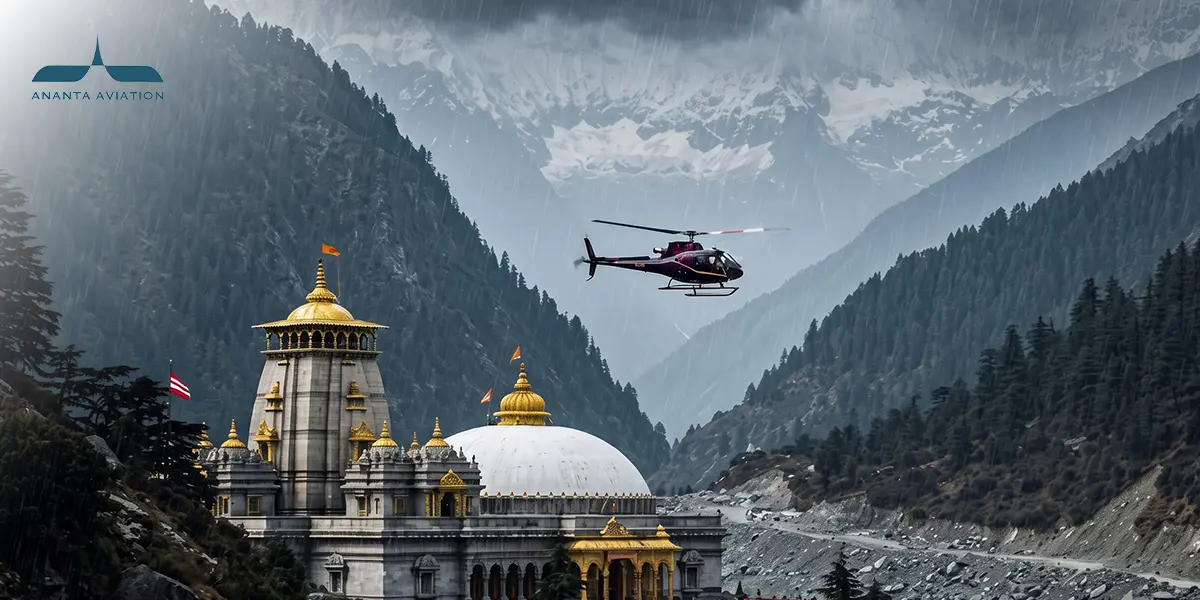
September–October Char Dham by Helicopter: Why the Post-Monsoon Window Is the Smart Booking, and How to Plan for Weather Delays
Planning a pilgrimage to the high Himalayas requires smart timing. Many pilgrims rush to visit the four sacred shrines in May and June. However, heavy summer crowds and extreme heat in the plains can make travel stressful. Monsoon rains in July and August bring frequent landslides and closed roads. Autumn brings clear skies, crisp air, and stunning mountain views. September and October offer the most stable weather for Himalayan travel.
Why Do Experienced Travelers Choose the Autumn Window?
Why do experienced travelers choose the post-monsoon autumn window over the summer rush? Autumn offers pleasant daytime weather and clearer views. The rainy season washes away dust and pollution. This leaves the air fresh and mountain visibility exceptionally high.
- Clear post-monsoon skies offer breathtaking visibility of snow peaks, making aerial travel safe, smooth, and visually stunning throughout September and October across all valley routes.
- Moderate daytime temperatures make holy darshan comfortable, unlike the freezing late October nights or the scorching heat experienced during the early summer season rush.
- Reduced foot traffic at temples allows peaceful worship and shorter queues, giving devotees ample time to absorb the spiritual energy of every sacred shrine.
- Secure your autumn Char Dham Yatra dates early because flight slots sell out fast due to ideal weather and crystal-clear mountain flying conditions.
According to official tourist arrival statistics from the Uttarakhand Tourism Development Board, over 55% of pilgrims visit during May and June. By comparison, September and October host roughly 25% of total annual visitors. This drop in crowd numbers reduces wait times at helipads and temple shrines.
More About the Sacred Sites
The four shrines hold rich history and fascinating secrets. Learning these facts enriches your journey:
- The sacred rock of Divya Shila at Yamunotri is worshipped before entering the temple, while natural hot springs nearby boil prasadam rice in minutes.
- Ancient scriptures in the Skanda Purana record that Badrinath was originally a meditation spot for Lord Vishnu surrounded by wild berry trees.
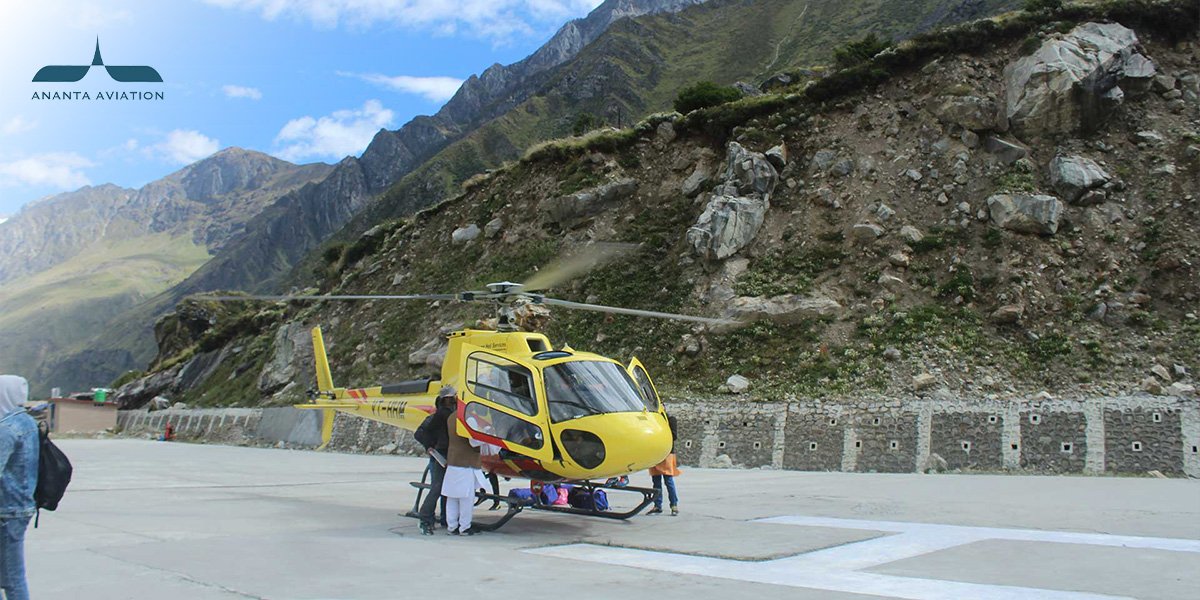
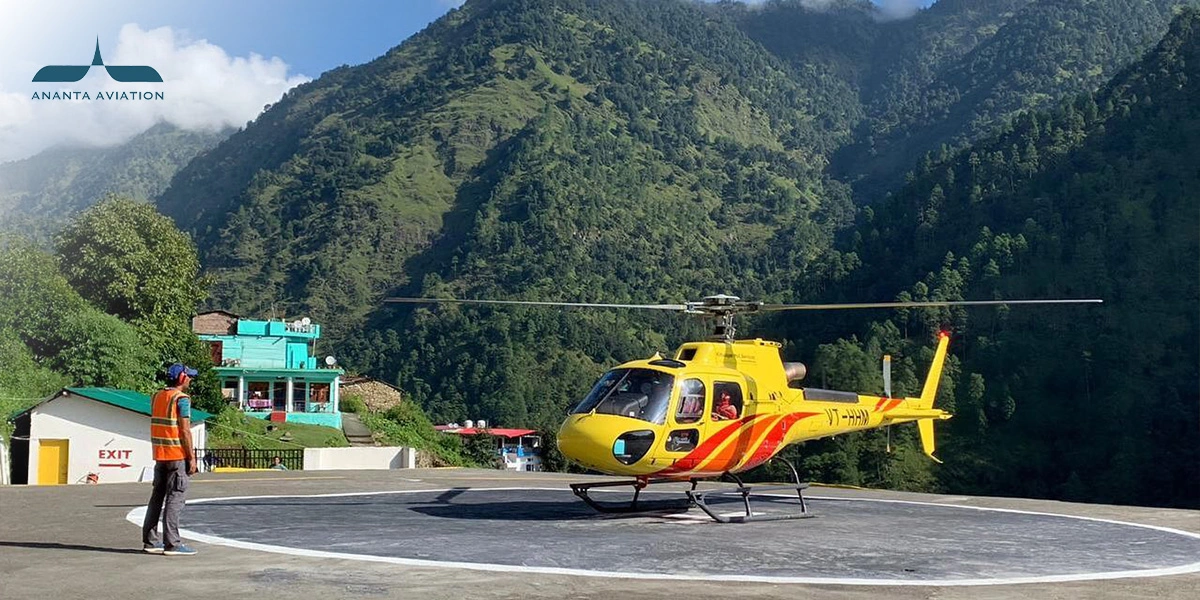
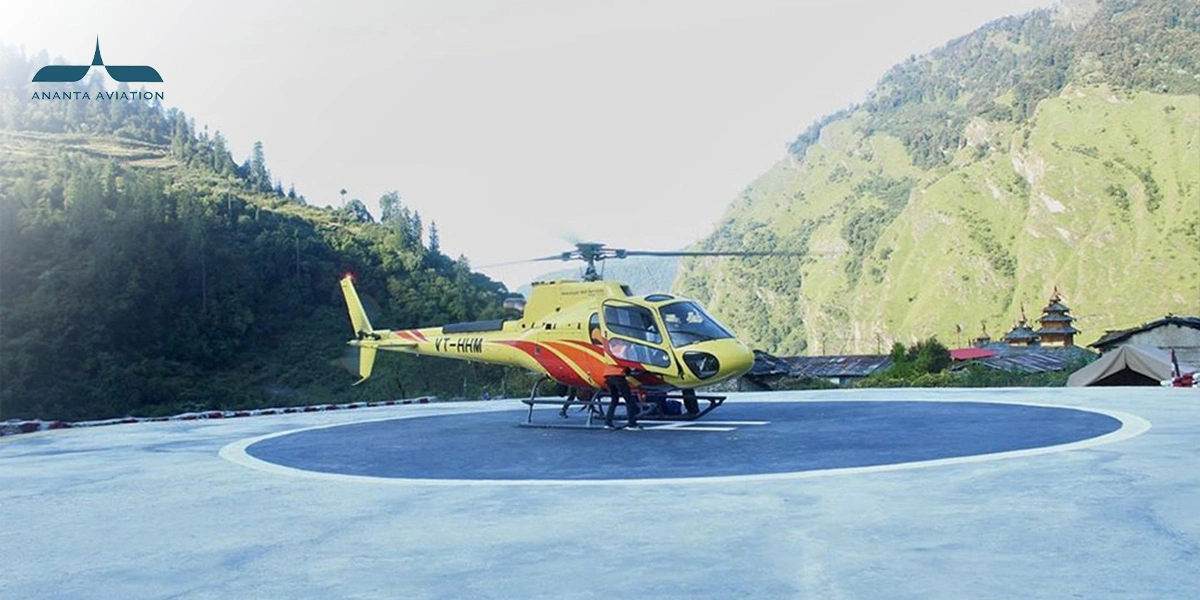
- Choosing Char Dham by helicopter cuts travel time from ten exhausting road days down to five peaceful days while providing aerial views of Himalayan glaciers.
- Flying with Fly with Ananta gives pilgrims top-tier aviation safety, comfortable ground transport, luxury stay options, and easy VIP darshan across all locations.
Managing High-Altitude Weather and Flight Schedules
How do high-altitude microclimates impact daily helicopter flight schedules? High mountain weather can change in minutes. Clouds can gather quickly in deep valleys, even on clear sunny days.
- Himalayan weather changes fast above three thousand meters, where sudden fog or high winds can pause helicopter landings for safety until conditions improve.
- Opting for a 4 Dham Yatra by helicopter comes with structured buffer time, allowing operators to adjust flight timings dynamically without rushing sacred visits.
- Modern satellite weather tracking helps ground crews monitor cloud cover, wind speed, and rain in real time to ensure safe flight dispatching every morning.
- The operations team at Fly with Ananta coordinates closely with local mountain weather stations to make smart routing decisions during unexpected weather pauses.
Expert Insights on Mountain Aviation Safety
Mountain flying requires strict adherence to safety protocols and regulatory standards. Pilots must evaluate wind conditions, air density, and cloud levels constantly.
“Post-monsoon flying in the Garhwal Himalayas provides optimal air density and superior visibility compared to pre-monsoon months,” states Captain R. S. Chauhan, Senior Aviation Operations Consultant registered with the Uttarakhand Civil Aviation Development Authority. “Passenger safety depends on respecting mountain weather limits and following rules set by the Directorate General of Civil Aviation.”
Smart travelers plan ahead for high demand. Securing an early 4 Dham helicopter booking ensures you get preferred departure times before slots fill up. Early booking gives you a stress-free start to your Char Dham Yatra.
Essential Tips for Autumn Pilgrimage Planning
What simple steps can pilgrims take to prepare for unexpected mountain delays? Proper preparation turns potential delays into comfortable breaks:
- Pack layered woolen clothing, windproof jackets, and thermal innerwear because autumn temperatures drop sharply after sunset across all high-altitude valley helipads.
- Keep two extra days open in your overall travel itinerary to handle unexpected weather delays smoothly without missing return connections or scheduled flights.
- Complete your biometric registration early on the official Uttarakhand portal to streamline ground entry procedures for your upcoming Char Dham Yatra.
- Trusting Fly with Ananta ensures complete transparency, professional ground management, expert mountain pilots, and dedicated support throughout your holy pilgrimage journey.
FAQs
1. Why is September to October considered better than May to June for a Char Dham trip by helicopter?
While May and June mark the peak summer season, they also bring massive crowds, long temple queues, and high accommodation rates. September and October offer a post-monsoon sweet spot with significantly lower crowd numbers, shorter queue wait times, pleasant daytime temperatures, and crystal-clear mountain visibility for smoother flight operations.
2. How do weather delays affect helicopter schedules, and what is the buffer policy?
High-altitude mountain weather can shift rapidly, bringing sudden morning fog or valley clouds. Under strict Directorate General of Civil Aviation (DGCA) and Visual Flight Rules (VFR), pilots will hold flights until conditions clear. Reputable operators include buffer time in the itinerary and recommend pilgrims keep 1–2 extra days free in their overall travel schedule to account for weather pauses without missing return flights.
3. What are the luggage and weight restrictions for Char Dham helicopter flights?
Due to high-altitude aerodynamics and aircraft weight limits, each passenger is typically allowed a maximum soft luggage weight of 2 kg to 5 kg (depending on the exact helicopter model and passenger payload configuration). Hard-shell suitcases are strictly prohibited; operators provide standard soft duffel bags for the journey.
4. What is the best age group for the helicopter Yatra, and is medical clearance required?
Helicopter packages are suitable for all age groups, especially senior citizens and individuals who find long mountain treks physically challenging. However, because shrines like Kedarnath are located above 3,500 meters (11,500 feet), mandatory state biometric registration and basic health self-declarations are required. Pilgrims with severe respiratory or cardiac conditions should consult a doctor before traveling.
5. How far in advance should I book my autumn Char Dham helicopter package?
Because the September–October flying window is short (roughly 6–8 weeks before shrines close for winter in November) and daily flight permits are capped by state authorities, slots sell out months in advance. It is recommended to secure your 4 Dham helicopter booking at least 3 to 4 months ahead of your planned travel dates.
Blog